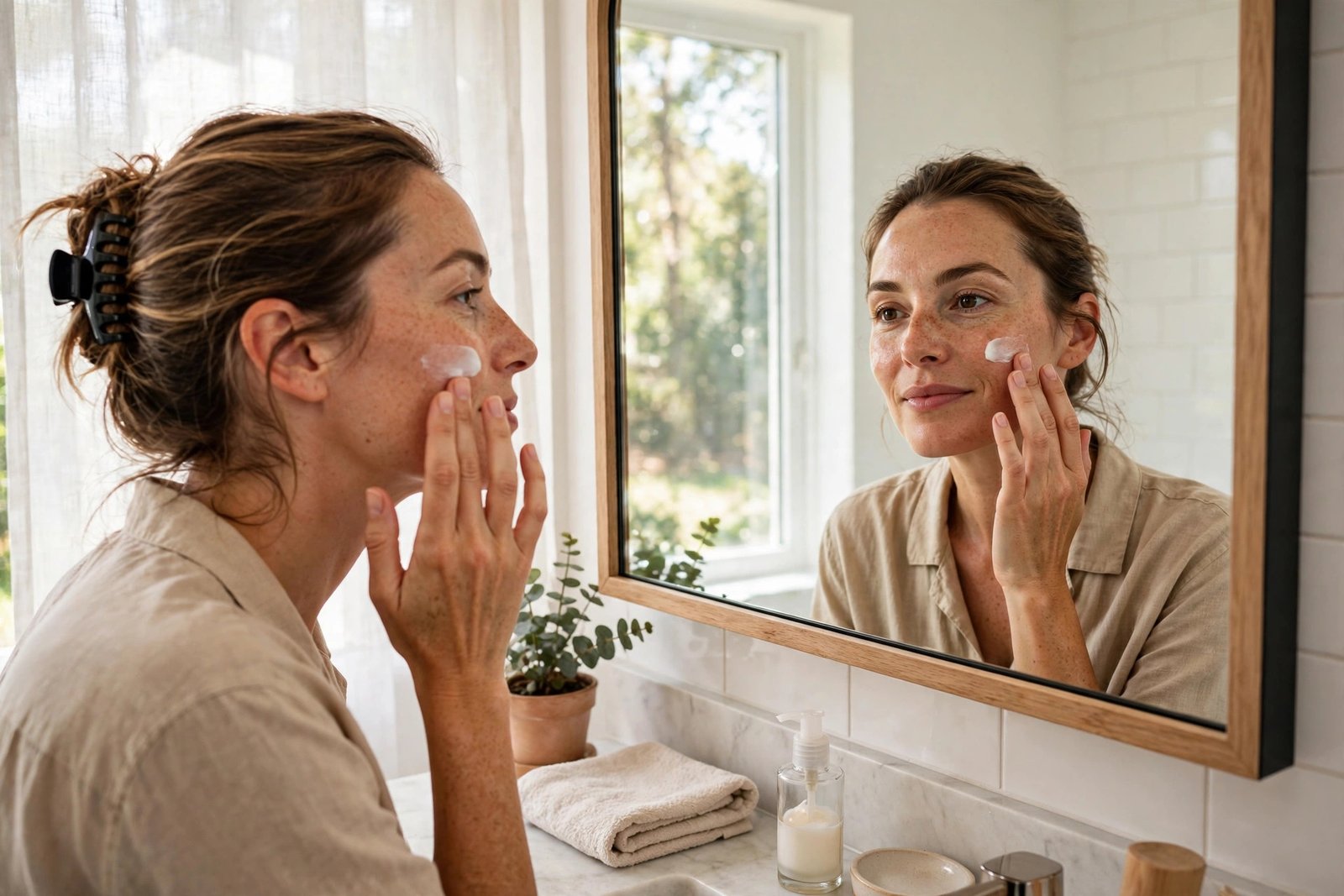
You thought acne was a teenage problem. Then you turned 32, and your jawline erupted like you were sixteen again — except now the breakouts are deeper, more painful, slower to heal, and they leave marks that linger for months. Welcome to hormonal acne in your 30s, one of the most common and most misunderstood skin conditions adults face. If you’re in Florida, the heat, humidity, and year-round sunscreen layering can make it feel even more relentless.
So the real question: is it worth treating? Not with another drugstore cleanser — with actual, targeted treatment. The short answer is yes, and the longer answer is that adult hormonal acne responds to different strategies than teenage acne, which is why everything that “worked in high school” is failing you now.
Why Your 30s Bring Acne Back
Hormonal acne in your 30s is driven by androgen fluctuations — the same hormones behind teenage acne, but now triggered by different things: menstrual cycle shifts, perimenopause beginnings (which can start in the late 30s), stress-related cortisol spikes, discontinuing birth control, or conditions like PCOS. The signature pattern is deep, cystic breakouts along the jawline, chin, and lower cheeks — the “beard distribution” zone.
Unlike teenage acne, which is largely about excess oil, adult hormonal acne involves inflammation plus a slower skin renewal cycle. Your skin at 35 doesn’t turn over cells as fast as it did at 17, so clogged pores stay clogged longer and heal slower. This is why treatments need to address hormones and inflammation, not just surface oil.
What Actually Works: The Treatment Ladder
Level 1: The right topical routine
Start here for mild-to-moderate breakouts. A gentle cleanser, a retinoid at night (adapalene/Differin is available over the counter and is the best-studied option), a lightweight non-comedogenic moisturizer, and daily sunscreen. Retinoids normalize cell turnover and prevent the micro-clogs that become cysts. Give it a full 12 weeks — retinoids get worse before better, with a “purging” phase around weeks 3–6.
Level 2: Add anti-inflammatory topicals
Azelaic acid (15–20%) is the unsung hero of adult acne: anti-inflammatory, antibacterial, and it fades the dark marks breakouts leave behind. Benzoyl peroxide in low concentrations (2.5–5%) kills acne bacteria without the irritation of higher strengths. Use benzoyl peroxide in the morning and retinoid at night — never layer them simultaneously unless your dermatologist says so.
Level 3: Hormonal treatment
For persistent jawline cysts, topicals alone often aren’t enough because the driver is hormonal. Options a dermatologist may discuss: combined oral contraceptives (which regulate androgen activity), spironolactone (an androgen blocker widely prescribed off-label for adult female acne with strong evidence), and in some cases, evaluation for PCOS or other hormonal conditions. This is where professional guidance genuinely matters — these are prescription decisions with real considerations.
The Florida Complications
Sunscreen vs. breakouts. You need daily SPF in Florida, but heavy sunscreens clog acne-prone skin. The solution is formulation, not skipping: oil-free, non-comedogenic, gel or fluid textures. EltaMD UV Clear and La Roche-Posay oil-free formulas are dermatologist favorites for acne-prone skin.
Sweat and friction. Workout sweat left on skin, tight sports bras, and helmet straps all trigger “acne mechanica” — breakouts from heat, friction, and pressure. Rinse or wipe down after sweating, and wash workout gear frequently.
Humidity and heavy products. Rich creams that work in dry climates suffocate Florida skin. In summer, many adults do better with gel moisturizers or even moisturizer-free routines (sunscreen alone) during the day.
Is Professional Treatment Worth the Cost?
Let’s talk money honestly. A dermatologist visit in Florida typically runs $150–$300 without insurance (less with), and prescription retinoids or spironolactone are often covered or available as cheap generics. Compare that to the average adult acne sufferer spending $500+ annually on over-the-counter products that don’t address the hormonal root cause.
The math favors professional treatment for moderate-to-severe cases: one correct prescription often outperforms years of product experimentation. The American Academy of Dermatology’s acne resource center emphasizes that adult acne is a medical condition, not a cosmetic failing — and its adult acne treatment guide outlines the evidence-based options dermatologists actually use. Treating it as such gets better results.
There’s also the scarring calculus. Cystic acne scars — both the pitted kind and the dark marks — are far more expensive and difficult to treat than the acne itself. Treating active breakouts now is preventive medicine for your future skin.
What About Diet, Stress, and “Natural” Approaches?
Stress management isn’t fluff here — cortisol directly worsens hormonal acne, and your 30s are often peak career-and-family stress years. Sleep, exercise, and stress reduction have measurable effects on breakouts. Diet evidence is moderate: high-glycemic foods and dairy show associations with acne in studies, and some people see real improvement cutting back. It’s worth a personal experiment, not a dogma.
Be skeptical of “hormone-balancing” teas, seed cycling, and supplement stacks marketed on social media. Some (like spearmint tea) have thin evidence; most have none. Money spent there is usually better spent on a dermatologist copay.
Nutrition still matters as foundation — eating for healthy skin from the inside supports whatever treatment path you choose. And while you work on the deeper causes, small confidence boosts help: jewelry chosen for your skin tone draws the eye and complements your complexion on any given day.
The Emotional Side Nobody Talks About
Here’s something the clinical guides skip: adult acne is emotionally exhausting in a way teenage acne isn’t. At sixteen, everyone around you is breaking out. At thirty-five, you’re the only one at the meeting dabbing concealer on your jaw in the bathroom, and it can feel uniquely isolating. Studies consistently link adult acne to anxiety, reduced self-esteem, and social withdrawal — and those feelings then raise stress hormones that worsen the acne. It’s a cruel loop.
Naming it helps. Adult acne is common — research suggests up to 15% of adult women deal with it — which means the woman across the conference table may be managing the exact same thing. Treating it isn’t vanity; it’s healthcare. And every month you spend hoping it resolves on its own is a month of unnecessary stress on top of a treatable condition. Give yourself the same permission to seek treatment that you’d give a friend.
Conclusion
Is it worth treating hormonal acne in your 30s in Florida? Unequivocally yes — because it’s treatable, because untreated cystic acne scars, and because the “wait and hope” approach wastes years and money on products that can’t fix a hormonal driver. Start with an OTC retinoid routine and give it twelve weeks. If jawline cysts persist, see a dermatologist — prescription hormonal treatments exist precisely for this, and they’re more affordable than the product graveyard under most bathroom sinks. Your 30s skin can be the best skin of your life; it just needs the right strategy, not the teenage one.
Frequently Asked Questions
Why am I getting acne in my 30s when I never had it as a teen?
Adult-onset acne is usually hormonal — driven by androgen fluctuations from menstrual changes, stress, stopping birth control, or perimenopause. It’s extremely common and unrelated to teenage acne history.
How long does hormonal acne treatment take to work?
Topical retinoids need 12 weeks for full effect. Hormonal treatments like spironolactone typically show improvement in 2–3 months. Patience is essential — switching products every two weeks guarantees failure.
Can diet cure hormonal acne?
Diet can help but rarely cures hormonal acne alone, since the driver is hormonal. Reducing high-glycemic foods and dairy helps some people; think of diet as supporting treatment, not replacing it.
Is spironolactone safe for acne?
It’s widely prescribed for adult female acne with a long safety record, but it’s prescription-only and requires medical supervision (including avoiding pregnancy while taking it). Discuss risks and monitoring with your dermatologist.
Will my hormonal acne ever go away on its own?
Sometimes it improves after hormonal transitions settle, but many adults deal with it for years without treatment. Given the scarring risk, proactive treatment is the better bet.