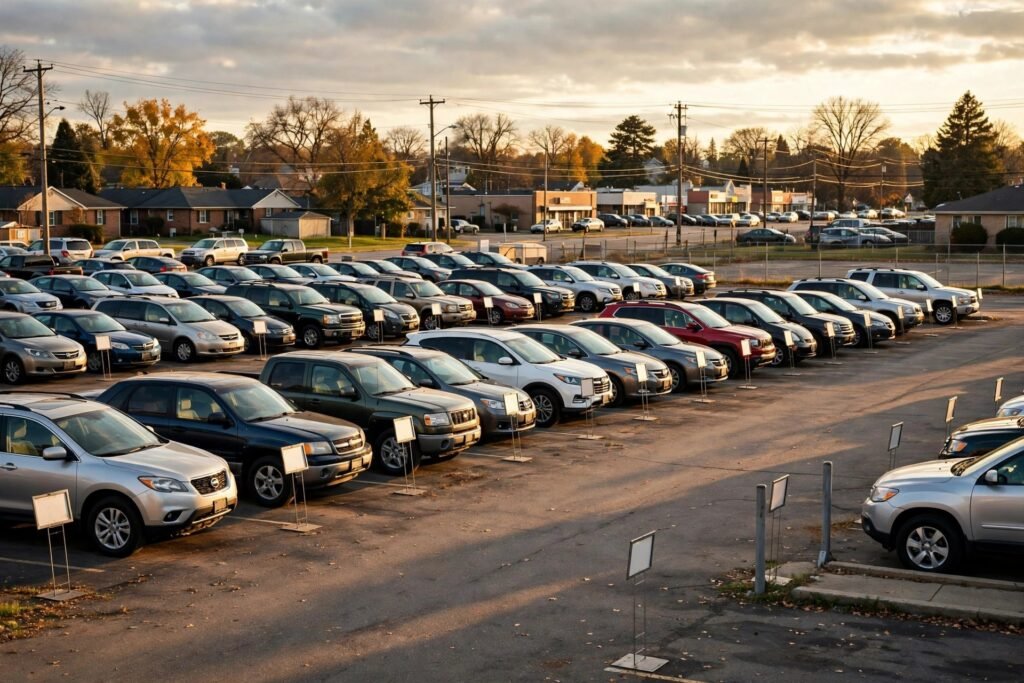
How long does it take to negotiate the price at a car dealership? Anywhere from 45 minutes to 6 hours — and the difference isn’t luck, it’s preparation. Buyers who arrive with research, pre-approval, and a walk-away mindset close good deals in about 90 minutes. Buyers who arrive hoping to “wing it” spend all day and overpay. Here’s the realistic timeline and the playbook that compresses it.
The Realistic Timeline
Prepared buyer: 60–120 minutes total. Test drive (20 min), offer and first counter (20 min), the manager tango — one or two rounds (20–30 min), finance office with pre-arranged financing (20–30 min). Unprepared buyer: 3–6+ hours of grinding, confusion, and fatigue-based concessions. The dealership’s business model depends on the second timeline — tired buyers say yes. Your entire strategy is refusing to play the long game.
Schedule accordingly: visit on a weekday morning (salespeople are fresh, managers available, no weekend crowds creating false urgency), never when you’re tired or rushed, and set a hard departure time in advance. “I have to leave by noon” is both true time management and excellent negotiating leverage.
Before You Arrive (80% of Negotiation Happens Here)
Know the numbers cold: invoice price, MSRP, current manufacturer incentives, and realistic transaction prices from Edmunds, KBB, or Consumer Reports for your exact trim in your market. Your opening offer should be anchored in data: typically 5–10% below MSRP for mainstream cars (less for hot models, more for slow sellers) — minus incentives, plus only legitimate fees.
Secure pre-approved financing from your bank or credit union. This does double duty: it caps what the dealer can do in the finance office, and it signals you’re a serious buyer who can’t be payment-packed. Get trade-in quotes from CarMax/Carvana beforehand — negotiate the new car’s price and the trade-in as SEPARATE transactions, or the dealer will rob one to pay the other.
Line up alternatives: identify 2–3 acceptable cars at different dealers. Your willingness to walk away is your entire leverage, and it’s only credible if you actually have somewhere to walk to. Email dealers for out-the-door quotes before visiting — the FTC notes that written quotes create accountability that verbal promises don’t.
The Negotiation: Tactics That Work
Lead with the out-the-door price. “I’ll pay $X out the door” — one number, everything included. This collapses all their fee games into a single comparable figure. Make your first offer confidently and slightly aggressively — anchored in your research, not insulting. Let silence work: after your offer, stop talking. Salespeople are trained to fill silence with concessions; let them.
Handle the manager trips calmly. Each “let me check with my manager” round is designed to test your resolve. Respond to counters with small, slow concessions (“I can move $200”) — fast big concessions signal you had more room. Use competing quotes explicitly: “Dealer B offered $X out the door for the same car. Beat it and I’ll buy today.” This is the single most effective sentence in car negotiation — but only if the competing quote is real.
Control your information: don’t reveal your maximum budget, your trade-in plans (until price is settled), your excitement about the car, or your timeline pressure. Every fact you share is leverage you give away. And keep your communication disciplined afterward too — dealers who have your number will call relentlessly; knowing how to shut down spam calls preserves your sanity between visits.
The Finance Office: Negotiation Round Two
Price agreed? The negotiation isn’t over — the finance office is where profits are recovered. Decline all add-ons initially (extended warranties, GAP at dealer prices, paint protection, VIN etching). Verify the APR and term match your agreement. Confirm trade-in value applied as promised. Read every number. This 20-minute discipline, backed by Edmunds’ car-buying guides, saves more money than most people save in the showroom.
Keep the whole purchase inside a budget you set before entering — the number of buyers who negotiate brilliantly on price then blow $3,000 on finance-office add-ons is staggering. The budget is the boss; the negotiation serves it.
End-of-Month Timing: Myth vs. Reality
“Buy at month-end when dealers are desperate to hit quotas” — is it real? Partially. Dealerships and salespeople do have monthly (and quarterly) targets with meaningful bonuses attached, and the last 2–3 days of the month genuinely see more flexible pricing on in-stock vehicles. But the effect is smaller than legend suggests — maybe a few hundred dollars on mainstream cars — and it comes with costs: picked-over inventory (the exact color/trim you want may be gone), rushed decisions, and finance offices at maximum pressure.
What matters more than month-end: model-year changeover (when the new model year arrives, remaining old-year stock gets genuinely discounted — thousands, not hundreds), manufacturer incentive cycles (rebates and APR deals that come and go monthly — time your purchase to a strong incentive, not a calendar date), and end-of-quarter (stronger than end-of-month, as quarterly bonuses dwarf monthly ones). The real timing secret: shop when YOU are ready and unpressured, armed with research, during a strong incentive period. A prepared buyer on the 10th beats a desperate buyer on the 31st every time. Timing helps at the margins; preparation decides the deal.
Negotiating the Trade-In Separately: The Two-Deal Method
The single most profitable negotiating discipline: treat the new-car purchase and the trade-in as TWO SEPARATE DEALS, negotiated sequentially. Dealers blend them precisely because blending hides profit — they “give” you $2,000 more on trade while quietly adding $2,500 to the car’s price, and the monthly payment looks unchanged. You feel like you won; you lost $500 plus the confusion.
The method: negotiate the new car’s out-the-door price FIRST, to a final number, in writing — with no mention of a trade. Only then: “Now, I’m considering trading my current car. What’s your offer?” Compare against your pre-visit quotes (CarMax, Carvana, KBB instant cash — get all three before visiting). If the dealer’s trade offer trails your best outside quote, sell it separately — the extra errand is worth hundreds or thousands. The tax angle: in Florida, trading in reduces the taxable amount (you pay sales tax only on the price difference), which can offset a slightly lower trade offer — calculate the tax savings before deciding to sell separately. Two deals, two negotiations, one informed buyer.
Conclusion
Negotiating at a dealership takes 60–120 minutes when you’re prepared — research done, financing pre-approved, trade-in quoted, alternatives lined up — and half a day when you’re not. The playbook: negotiate out-the-door price only, make data-anchored offers, concede slowly, wield real competing quotes, reveal nothing about your limits, and treat the finance office as round two. Preparation compresses time and expands savings; walking in cold does the opposite. The best negotiators aren’t aggressive — they’re informed, patient, and always ready to leave.
Frequently Asked Questions
How long does it take to negotiate the price at a car dealership?
60–120 minutes for prepared buyers (research, pre-approval, competing quotes in hand); 3–6+ hours for unprepared ones. Preparation is what compresses the timeline — visit on weekday mornings with a hard departure time.
What is the best opening offer when negotiating a car price?
Typically 5–10% below MSRP for mainstream models (adjusted for market conditions), minus manufacturer incentives — anchored in real transaction data from Edmunds or KBB, presented as an out-the-door figure.
Should I negotiate monthly payment or total price?
Total out-the-door price, always. Monthly-payment negotiation lets dealers hide profit in extended terms, inflated rates, and bundled add-ons. Settle the price first; discuss payment structure only after.
How do I handle the “let me check with my manager” tactic?
Recognize it as theater, stay calm, concede slowly in small increments, and counter with real competing quotes from other dealers. Never decide tired — take breaks and keep your departure time.
When should I walk away from a car deal?
When numbers change from what was agreed, add-ons appear unrequested, you’re pressured to decide immediately, terms won’t be put in writing, or the price exceeds your researched target with no justification. Walking away is leverage, not failure.