
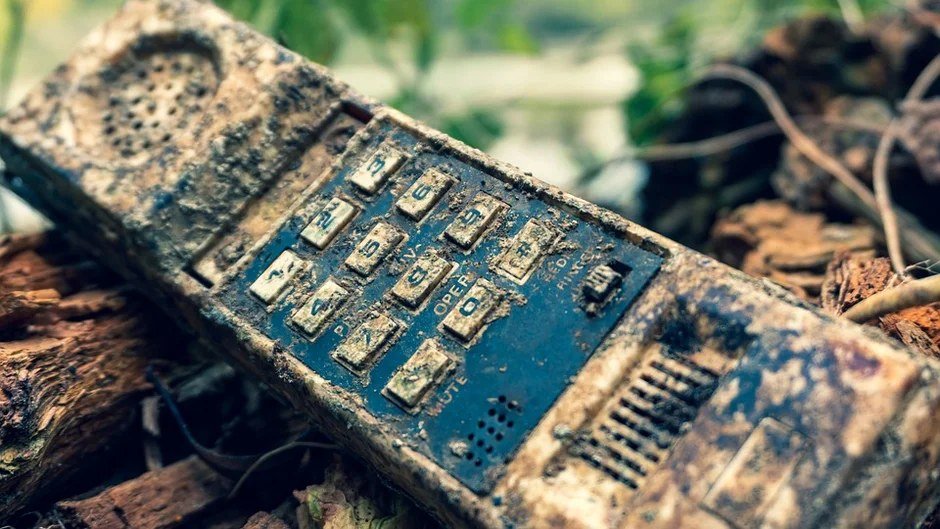
Remember when everyone upgraded their phone every two years like clockwork? Those days are over. The average American now keeps a smartphone for nearly three years, and plenty of people stretch it to four or five. But there’s a difference between “still turns on” and “still worth using” — and knowing where that line is can save you hundreds of dollars in either direction.
So how long should a smartphone actually last? The honest answer: 3 to 5 years for most people, with the exact number depending on the phone, how you treat it, and what you need it to do.
What “Lasting” Really Means
A phone doesn’t die all at once. It fades in stages, and different parts give out at different times:
- Software support (the real clock): this is what actually kills most phones. Apple supports iPhones for 6–7 years with iOS updates. Google now promises 7 years for Pixels. Samsung offers 4–5 years on recent Galaxy models. Budget Androids? Sometimes just 2 years. Once security updates stop, using the phone for banking or email gets genuinely risky.
- Battery (the first thing you’ll feel): lithium-ion batteries degrade with every charge cycle. After 2–3 years, most phones hold noticeably less charge. The good news: a battery replacement ($50–$90) resets this clock.
- Performance: apps get heavier every year. A phone that felt fast in 2022 can feel sluggish by 2025 — though often this is fixable with a cleanup rather than a replacement.
- Physical wear: cracked screens, worn charging ports, tired buttons. Annoying, but mostly repairable.
The phone is “done” when the thing that bothers you can’t be fixed cheaply — usually that’s the end of software support or a repair that costs more than the phone’s worth.
How Long Each Brand Realistically Lasts
- iPhone: 5–6 years of genuinely good use. Apple’s long update support is the reason iPhones dominate the used market — a 4-year-old iPhone still gets security updates and runs current apps fine.
- Google Pixel: 5–7 years now, thanks to Google’s extended update promise. Excellent longevity pick on Android.
- Samsung Galaxy (S series): 4–5 years. Solid support window, great hardware.
- Budget Android ($150–$300): 2–3 years. Shorter update support and weaker processors age faster. Fine if the price is right and you go in with open eyes.
This is also why buying a used phone can be such a smart move — a 2-year-old flagship often has more life left than a brand-new budget phone, for the same money.
Signs It’s Actually Time to Replace
Don’t upgrade because the new model looks shiny. Upgrade when you hit one of these:
- No more security updates. This is the big one. Check your manufacturer’s support page — if your model is past its update window, it’s time, no matter how well it runs.
- Apps you need won’t install or update. When your banking app requires a newer OS than your phone supports, the decision is made for you.
- The battery dies by noon even after a replacement. If a fresh battery doesn’t fix it, the phone’s power management is just outdated.
- Repair costs exceed half the phone’s value. A $200 screen replacement on a phone worth $180 is throwing money away — the same math from our guide on phone screen replacement costs.
- It’s slowing down your actual life. If you’re waiting on your phone multiple times a day — maps loading, photos taking forever, calls dropping — that’s a real cost in time and frustration.
How to Make Your Phone Last Longer
Want to push toward the 5-year end of the range? These habits genuinely help:
- Protect the battery: avoid leaving it at 100% or 0% for long stretches; keep it between 20–80% when you can. Heat is the enemy — don’t leave it baking on a car dashboard in a Miami summer.
- Use a case and screen protector: unglamorous, effective. Physical damage is the #1 premature phone killer.
- Keep storage under 85% full: a nearly-full phone slows down noticeably. Our guide on freeing up storage without deleting photos helps here.
- Install updates promptly: they include security patches and often performance fixes.
- Replace the battery at year 2–3: $50–$90 for what feels like a new phone. Best value in all of tech maintenance.
The evolution of the smartphone has actually slowed in ways that benefit you — a 2023 flagship does 95% of what a 2026 flagship does. The upgrade treadmill is mostly marketing now.
The Environmental (and Financial) Case for Waiting
Here’s a number worth sitting with: manufacturing a single smartphone generates roughly 60–100 kg of CO₂, most of it before you ever open the box. Keeping your phone one extra year is one of the highest-impact environmental choices a person can make — bigger than most of the tote-bag stuff.
Financially, it’s even clearer. A $900 phone replaced every 2 years costs $450/year. Kept for 4 years with one $70 battery replacement, it’s $242/year. That’s a vacation’s worth of savings over a decade, for a phone that does the same things.
Frequently Asked Questions
Is it safe to use a phone that no longer gets security updates?
Honestly, no — not for anything sensitive. Without security patches, known vulnerabilities stay open forever, and attackers specifically target outdated phones. An unsupported phone is fine as a secondary device (music player, kid’s game device on Wi-Fi), but don’t do banking, email, or shopping on it. When updates end, the phone’s useful secure life is over, even if it still turns on.
Does keeping my phone in a case actually extend its life?
Meaningfully, yes. Physical damage — cracked screens, dented frames, damaged charging ports — is the number one cause of premature phone death, ahead of battery wear and software obsolescence. A $15 case and a $10 screen protector prevent the $200 repair that makes people give up on an otherwise fine phone. It’s the highest-ROI phone accessory that exists.
Will replacing the battery really make it feel like new?
If the battery was the problem, absolutely — and it usually is. A degraded battery doesn’t just die faster; on iPhones it can trigger performance throttling that makes the whole phone feel slow. A fresh battery restores both runtime and full processor speed. For $50–$90, it’s the closest thing to a time machine in tech. If the phone is still sluggish after a new battery, then it’s genuinely aging out.
Are software updates deliberately slowing down old phones?
The “planned obsolescence” theory is mostly myth at this point. What actually happens: new software is designed for new hardware, so it runs heavier on old chips — that’s just progress, not conspiracy. Apple’s batterygate (throttling phones with worn batteries without telling users) was real and they paid for it, but modern phones disclose battery health and throttling openly. Updates also bring security patches you genuinely need. Keep updating; replace the battery when it’s tired.
The Bottom Line
Plan on 4 years as your target: buy a phone with long software support (iPhone, Pixel, or recent Samsung), put a case on it, replace the battery once around year 2 or 3, and ignore the annual upgrade hype. Replace it when security updates end or when it genuinely can’t do what you need — not when a commercial tells you to. Your wallet and the planet both win.


