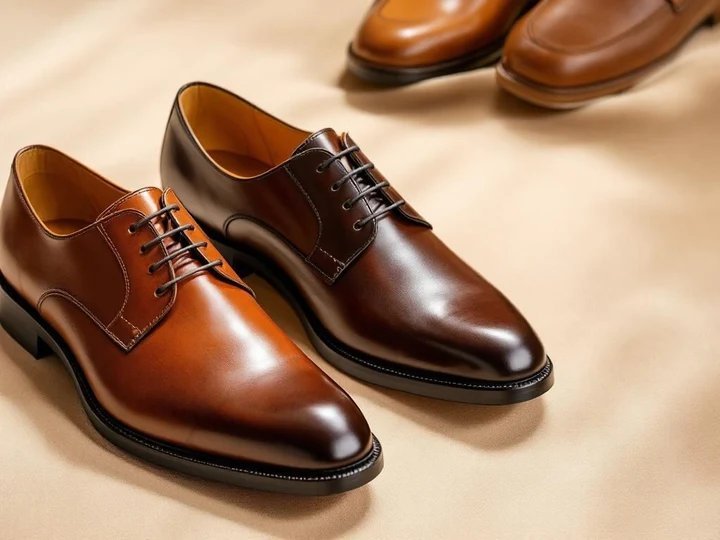
Good leather shoes are an investment — $150 to $400 for quality pairs that should last a decade. But “should” is doing heavy lifting there, because most leather shoes die young from neglect, not wear. Dried-out leather cracks, salt stains eat finish, and worn-down heels destroy posture. I’ve kept the same pair of leather boots going for nine years with maybe two hours of total maintenance. Here’s the complete care routine — it’s far simpler than the shoe-care industry wants you to believe.
So how do I care for leather shoes so they last longer? Clean, condition, polish, protect, rest, and resole. Six verbs, years of extra life. Let’s go step by step.
The regular routine (15 minutes, monthly)
- Remove laces and brush off dirt. A horsehair brush ($10) flicks away dust and dirt that would otherwise grind into the leather. Brush after every few wears; it takes 60 seconds.
- Clean with saddle soap or damp cloth. For real dirt: saddle soap and a damp cloth, worked into a light lather, wiped clean. For light dust: just the damp cloth. Never soak leather, never use household cleaners.
- Condition while slightly damp. This is the step everyone skips and the one that matters most. Leather is skin — it dries out, cracks, and dies without moisture. Apply leather conditioner (Lexol, Bick 4, or mink oil for boots) sparingly with a cloth, let absorb 15 minutes, buff off excess. Conditioning every 1–3 months (more in dry climates or winter salt season) prevents 90% of leather aging.
- Polish for protection and shine. Cream polish nourishes and adds color; wax polish adds shine and water resistance. Match the color or use neutral. Apply thin layers with a cloth, let dry, buff with a brush. You don’t need a mirror shine for daily wear — a healthy glow is the goal.
- Waterproof when needed. For boots and bad-weather shoes: a waterproofing spray or wax (Sno-Seal for heavy duty) before the season. Reapply as water stops beading.
How do I care for leather shoes so they last longer? The habits between polishings
- Use shoe trees. Cedar shoe trees ($20–25) are the highest-ROI shoe care purchase: they absorb moisture, maintain shape, prevent creasing, and deodorize. Insert them every time shoes come off. This alone doubles shoe life.
- Rest your shoes. Never wear the same pair two days running — leather needs 24 hours to dry from foot moisture. Rotating two pairs lasts longer than wearing one pair daily, counterintuitive but true.
- Untie and use a shoehorn. Forcing feet in crushes heel counters — the structural backbone of the shoe. A $5 shoehorn preserves it indefinitely.
- Address salt immediately. Winter road salt is leather’s mortal enemy — it dries, stains, and cracks. Wipe salt off with a damp cloth (or diluted vinegar for set stains) the same day, then condition. In salt season, wipe down after every wear.
- Handle water correctly. Wet shoes: stuff with newspaper, air-dry at room temperature away from heat. Never put leather near radiators or use hair dryers — heat cracks wet leather catastrophically.
- Store properly. Cool, dry, in shoe trees, in breathable bags (not plastic). Keep away from direct sunlight, which fades and dries leather.
Repairs: when to see a cobbler
A good cobbler is a shoe’s best friend and increasingly rare — find one and treasure them. Resole before it’s too late: when heel caps wear to the nail or soles thin significantly, resole ($40–80) — waiting until the upper is damaged makes repair impossible. Heel tips: replace rubber heel lifts ($10–15) at the first sign of uneven wear; it also fixes your gait. Stitching and eyelets: cobblers re-stitch seams and replace eyelets cheaply. Stretching: tight spots can be professionally stretched. The rule: quality shoes (Goodyear-welted especially — designed for multiple resolings) are worth repairing almost indefinitely; a $300 shoe resoled twice costs less per wear than replacing $100 shoes five times.
Suede and nubuck: the special cases
Suede needs different care: waterproof spray before first wear (non-negotiable), suede brush after wearing (restores the nap), suede eraser for marks and stains, and never use regular leather conditioner or polish on suede. Water spots on suede: let dry completely, then brush vigorously — they often disappear. Salt on suede: white vinegar dabbed lightly, then brush when dry. Suede is higher-maintenance but gorgeous — just know what you’re signing up for.
About leather
leather as a material is skin — porous, organic, and responsive to care, which is why conditioning matters as much as cleaning. Treat your shoes with the same logic you’d apply to the other leather goods you own, and apply the same attention to knowing when sneakers are done and comfortable all-day shoes across your footwear rotation.
The takeaway
Caring for leather shoes so they last longer means: brush regularly, clean gently, condition every 1–3 months (the critical step), polish for protection, waterproof for bad weather, use cedar shoe trees always, rest shoes between wears, use a shoehorn, address salt and water immediately, and resole quality shoes instead of replacing them. Two hours of maintenance a year buys a decade of wear. Your feet — and your wallet — will feel the difference.
The travel shoe-care kit (pocket-sized)
Travel is brutal on shoes — rain, long walking days, cramped packing — and a tiny care kit prevents most damage. The kit (fits in a quart bag): a few individually-wrapped leather conditioner wipes (or a small tin of conditioner), a travel shoe brush or old toothbrush (for dried mud and dust), heel grips and blister bandages (new-shoe insurance), cedar shoe trees — the travel kind (or stuffed socks in a pinch — they hold shape and absorb moisture), a small microfiber cloth, and waterproofing spray (travel size, applied before the trip).
The travel routine: brush off the day’s dirt each evening (60 seconds), stuff with the trees or socks overnight (they’ll be dry and shaped by morning), and rotate pairs if you brought two (the rest-day principle matters more when you’re walking 20,000 steps). Rain protocol on the road: stuff wet shoes with newspaper or dry socks immediately, keep them away from hotel heaters (the radiator temptation is strong — resist it), and let them dry a full 24 hours before wearing again. Packing: shoes heel-to-toe in shoe bags (dust bags work), stuffed with socks and underwear (dead space is wasted space), soles facing outward to protect clothes. A $15 kit and two minutes nightly keeps travel shoes looking respectable through the whole trip — and brings them home ready for the next one instead of ready for the trash.