Hardwood floors are the supermodels of flooring — gorgeous, desirable, and surprisingly easy to ruin with the wrong care. I’ve seen beautiful oak floors dulled by years of well-intentioned mopping with the wrong products, and I’ve seen 50-year-old floors that gleam because someone knew the basics. Cleaning hardwood properly isn’t complicated, but the rules are specific and breaking them causes real damage. Here’s the definitive guide.
The Best Way to Clean Hardwood Floors Properly
Daily/weekly: dry cleaning first
Most hardwood cleaning should be dry, not wet. Water is wood’s enemy — the number one rule of hardwood care is minimal moisture, always.
- Microfiber dust mop ($15-$25): Your primary tool. Daily or every-few-days dry mopping picks up the grit and dust that act like sandpaper underfoot, slowly scratching the finish. This single habit prevents more damage than any product.
- Vacuum with a hard-floor setting: Use the bare-floor mode (beater bar OFF — the rotating brush scratches finishes). Vacuum weekly, especially entryways where grit accumulates.
- Doormats at every entrance: 80% of floor dirt comes in on shoes. A good doormat ($20-$30) plus a no-shoes policy does more for floor longevity than any cleaner.
Monthly: damp (not wet) mopping
When dry cleaning isn’t enough:
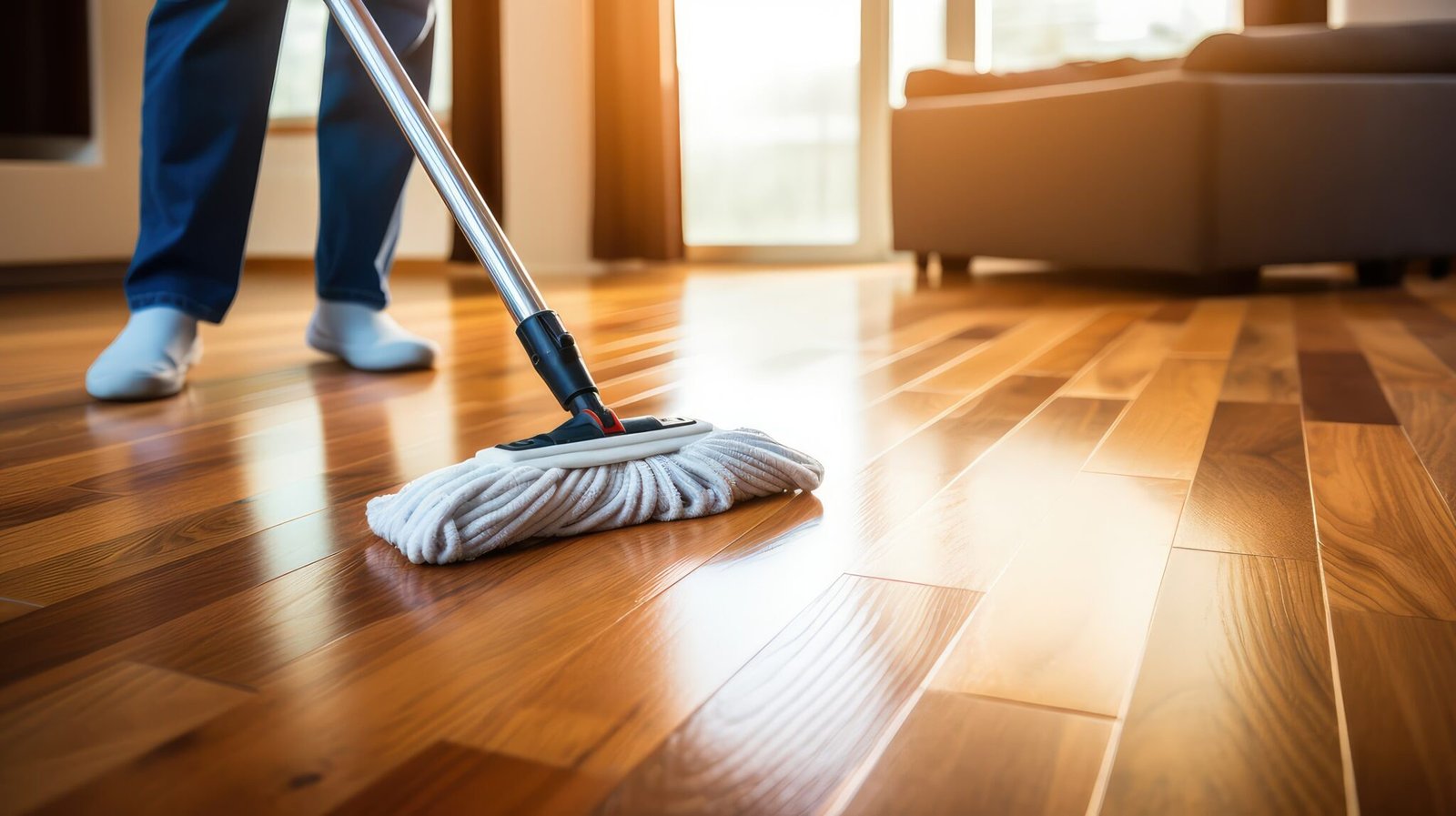
- Use a well-wrung microfiber mop — it should feel barely damp, not wet. If water pools or drips, it’s too wet.
- Clean with either plain water (often sufficient) or a pH-neutral hardwood cleaner ($10-$15, Bona-style). Follow the product’s dilution exactly.
- Work in sections, drying each with a clean microfiber cloth as you go. Standing water is the enemy — even “a little” water, repeatedly, damages finishes and warps boards.
- For sticky spots, hold a damp cloth on the spot for 30 seconds rather than scrubbing aggressively.
What NEVER to use on hardwood
- Steam mops: The number one hardwood killer. Steam forces moisture into seams and between boards, causing warping, cupping, and finish failure. Manufacturers void warranties over steam mop use. Just don’t.
- Vinegar: The internet’s favorite “natural” cleaner is acidic — it dulls polyurethane finishes over time. Fine occasionally, damaging as a routine.
- Murphy’s Oil Soap and similar: Leaves a residue buildup that dulls floors and complicates future refinishing. Refinishers curse this product.
- Excess water: The classic bucket-and-string-mop sloshing. If your mop needs wringing and it’s still dripping, you’re using too much water.
- Wax on polyurethane finishes: Wax and poly don’t mix — wax over poly creates a hazy mess that’s miserable to remove. (Wax is only for old wax-finish floors, which are rare now.)
- Abrasive scrubbers: Steel wool, scouring pads, stiff brushes — they scratch through the finish to bare wood.
Dealing with specific problems
- Scuffs: Rub with a tennis ball or a dab of baking soda on a damp cloth. Most scuffs are in the finish, not the wood.
- Pet accidents: Blot immediately (don’t rub), clean with hardwood cleaner, and dry thoroughly. Urine left standing discolors wood permanently — speed matters more than product.
- Dull finish: If cleaning doesn’t restore shine, the finish is worn — it needs screening and recoating ($2-$4/sq ft professionally), not more cleaning. No product restores worn finish.
- Gaps in winter: Normal seasonal movement. A whole-house humidifier (35-55% RH) minimizes it. Don’t fill seasonal gaps — they’ll close in summer and squeeze the filler out.
Prevention: The Real Secret
- Felt pads under all furniture legs ($5/pack) — replace yearly as they compress and collect grit.
- Runners in high-traffic areas and properly sized area rugs in living spaces.
- Trim pet nails regularly — the pet flooring guide covers the full strategy.
- Wipe spills immediately. Every time. No exceptions.
- Recoat the finish every 7-10 years before it wears through — a $2-$4/sq ft maintenance coat beats a $6-$10/sq ft full refinish.
The National Wood Flooring Association publishes detailed care guidelines by finish type — worth checking if you’re unsure what finish your floors have.
Refinishing vs. Recoating: Knowing Which You Need
Not every dull floor needs full refinishing. Recoating (screening + one fresh topcoat, $2-$4/sq ft professionally) is for floors where the finish is worn but the wood is undamaged — no deep scratches, no discoloration, no bare spots. The process lightly abrades the existing finish and bonds a new coat on top. It’s faster (1-2 days), cheaper, and less dusty than full refinishing. If your floors look tired but not damaged, recoat — don’t refinish.
Full refinishing ($6-$10/sq ft) sands to bare wood and rebuilds the finish from scratch. Necessary when: scratches penetrate to bare wood, there’s water damage or staining, the finish is peeling, or you want to change the stain color. It’s a 3-5 day process with serious dust (pros use dust-containment systems now — verify yours does) and you can’t walk on the floors during curing.
The maintenance sweet spot: recoat every 7-10 years before the finish wears through. Once wear reaches bare wood, recoating won’t adhere properly and you’re into full-refinish territory. Think of it like car maintenance — the $300 recoat prevents the $3,000 refinish, the same way oil changes prevent engine rebuilds.
DIY refinishing is possible (rent a drum sander for $60-$80/day) but genuinely difficult — drum sanders gouge floors in inexperienced hands within seconds, and the edger work is backbreaking. Recoating is the more DIY-friendly option (a buffer rental and some care), while full sanding is one of the few jobs where hiring a pro is usually the right call. The cost of fixing DIY sanding mistakes exceeds the pro’s price.
Hardwood Floors: Quick Answers
Can I use a steam mop on hardwood? No — steam forces moisture into seams, causing warping and finish failure. Manufacturers void warranties over steam mop use.
Is vinegar safe for hardwood? Occasionally, but not as a routine cleaner — its acidity dulls polyurethane finishes over time. pH-neutral hardwood cleaner is the daily choice.
How often should hardwood be refinished? Recoat every 7-10 years before the finish wears through; full refinish only when the wood itself is damaged. Maintenance coats prevent the expensive refinish.
The Bottom Line
Clean hardwood floors properly with: regular dry microfiber mopping, vacuuming with the beater bar off, and barely-damp mopping with pH-neutral cleaner monthly. Never use steam mops, vinegar routinely, oil soaps, or excess water. Prevent damage with doormats, felt pads, and prompt spill cleanup. Hardwood rewards the gentle and consistent, and punishes the aggressive and occasional — treat it like the investment it is.