A dash cam is the only witness that never forgets, never takes sides, and works while you sleep. In an era of insurance disputes, hit-and-runs, and parking-lot mysteries, the question isn’t whether a dash cam is useful — it’s how much you need to spend to get one actually worth installing. The answer spans $60 to $400, and the difference between a useless toy and courtroom-grade evidence lives in specific features. Here’s the full cost breakdown.
The Price Tiers: What Each Buys
Budget ($60–$120): basic protection
At this tier you get 1080p front-facing recording, loop recording, and a G-sensor that locks footage on impact. Brands like Viofo’s entry models and Rove dominate here. Good enough for: proving fault in straightforward accidents, capturing license plates in daylight, deterring parking incidents. Limitations: poor night quality, narrow dynamic range (headlights wash out plates), and basic build quality that wilts in Florida heat.
Mid-range ($120–$220): the sweet spot
This is where “worth installing” lives for most drivers: 1440p or 4K front cameras with Sony STARVIS sensors (dramatically better night vision), dual-channel front+rear coverage, GPS logging (speed and location stamped on footage — powerful in disputes), Wi-Fi for phone footage transfer, and supercapacitors instead of batteries (critical — lithium batteries swell and die in parked Florida cars; supercapacitors survive the heat). Consumer Reports consistently finds this tier delivers the best value-to-performance ratio.
Premium ($220–$400+): evidence-grade
Thinkware, BlackVue, and Viofo flagships: 4K front + 2K rear, cloud connectivity, advanced parking surveillance with motion detection, and rock-solid reliability. Worth it for: rideshare drivers, frequent highway commuters, and anyone who’s been burned in a disputed claim before. Diminishing returns for casual drivers — but if you’ve ever lost a “he said, she said” with an insurer, the premium feels cheap.
Features That Actually Matter (and Marketing Fluff)
Matter: Sony STARVIS sensor (night quality), supercapacitor power (heat survival), GPS (dispute evidence), dual-channel (rear coverage catches rear-enders — the most common accident), and parking mode with a hardwire kit (records while parked — where most mysterious damage happens). Fluff: absurd resolution claims without sensor quality to back them, “AI” features that are just motion detection rebranded, and bundled SD cards (often slow, failure-prone — buy a high-endurance card separately, $20–$30).
The National Highway Traffic Safety Administration doesn’t regulate dash cams, but its crash data underscores why objective evidence matters: disputed-liability claims are among the most common insurance headaches, and video resolves them in minutes.
Installation Costs: DIY vs. Professional
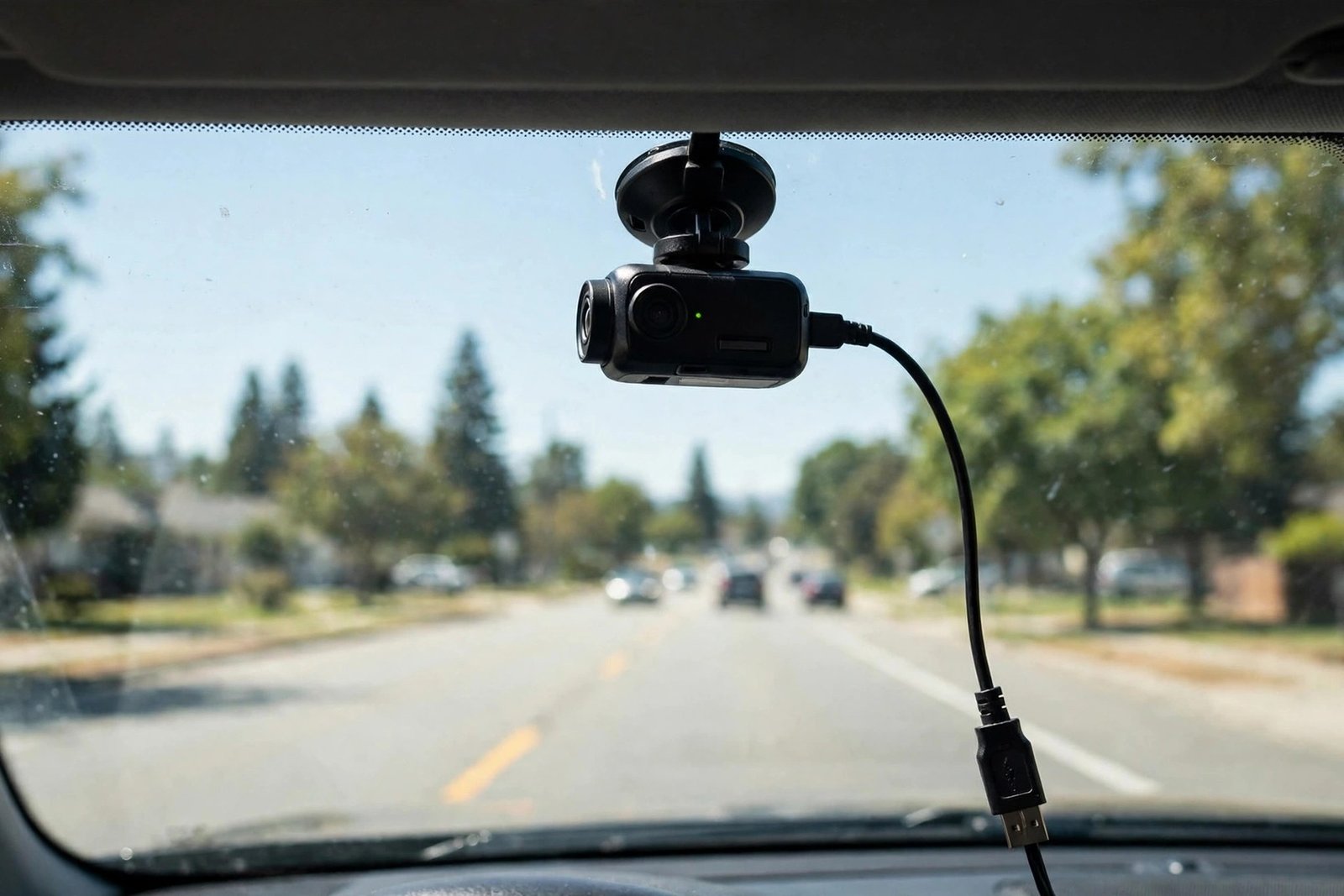
Basic installs are genuinely DIY: mount behind the rearview mirror, route the cable along the headliner to the 12V outlet, done in 20 minutes. Cost: $0. For parking-mode surveillance, you need hardwiring to the fuse box ($15–$30 kit) — moderately DIY-able with YouTube guidance, or $75–$150 at a car audio shop. Professional full installs (dual-channel + hardwire) run $100–$200 in most Florida markets. Total realistic budget: $150–$250 all-in for an excellent mid-range setup, professionally installed.
One caution: hardwiring done wrong can drain your battery or void aspects of warranty — if you’re not comfortable with fuse boxes, pay the professional. And remember the broader principle of protecting your belongings: a dash cam protects your car, but don’t leave the mount’s suction marks advertising “expensive electronics inside” — take the unit with you or hide it.
The Legal Fine Print
Dash cams are legal in Florida, but: windshield placement must not obstruct the driver’s view (mount behind the rearview mirror, in the wiper-swept area’s upper corner); audio recording falls under Florida’s two-party consent law — disable audio or inform passengers to be safe; and footage is discoverable — it can help you or hurt you, so drive like you’re being recorded. Because you are.
When evaluating any tech purchase’s value proposition, the same discipline applies as assessing whether used tech is worth buying: match features to your actual use case, not the spec sheet’s fantasy.
Dash Cams and Rideshare: A Special Case
Uber and Lyft drivers should treat dash cams as mandatory equipment, not optional accessories — and the requirements are stricter. Dual-channel minimum, cabin camera preferred: disputes in rideshare involve passengers, so interior recording (with clear disclosure signage — required by many platforms and advisable under Florida’s two-party consent law for audio) protects against false claims, the occupational hazard of the job. Cloud backup matters more: if an incident involves your vehicle being impounded or the camera stolen, local-storage-only footage is gone — cloud-connected models preserve evidence offsite.
Check platform policies: Uber and Lyft both permit dash cams but require rider notification in many jurisdictions — a small dashboard sign covers you. Tax treatment: the camera, installation, SD cards, and cloud subscriptions are business expenses — deduct them, and keep receipts. For full-time drivers, the premium tier ($250–$400) isn’t luxury; it’s the tool that protects a $40,000+/year income from a single fraudulent passenger claim. One avoided deactivation pays for the best camera ten times over.
Hardwiring Done Right: The Install Details
If you’re going the hardwire route for parking mode, the details matter. Fuse selection: use an add-a-circuit kit on a switched fuse (powers off with the car) for the main feed and a constant fuse for parking-mode power — your car’s manual or online fuse diagrams identify candidates. Voltage cutoff is mandatory: quality hardwire kits include adjustable low-voltage cutoff (set to 12.0–12.4V) that kills the camera before it drains your battery — without this, parking mode can leave you with a dead battery, the exact problem the camera was meant to document.
Cable routing: tuck along the headliner, down the A-pillar (BEHIND the airbag — never in front of it; an airbag deploying through your cable turns wiring into a projectile), and under the dash to the fuse box. Test before finalizing: verify parking mode engages (walk in front of the car), verify the voltage cutoff works, and check that the camera doesn’t interfere with rain sensors or ADAS cameras near the mirror. A clean hardwire install is invisible and reliable; a sloppy one is a fire risk and a warranty headache. When in doubt, the $100 professional install is money well spent.
Conclusion
A dash cam worth installing costs $120–$220 for the camera (mid-range sweet spot: STARVIS sensor, dual-channel, GPS, supercapacitor) plus $0–$150 for installation depending on DIY comfort — roughly $150–$250 all-in for excellent protection. Skip the sub-$60 toys (useless at night, dead in summer heat) and the $400 flagships unless you drive for a living. Buy the high-endurance SD card separately, hardwire for parking mode, mount it legally, and drive like the camera’s watching — because in the dispute that matters, it will be.
Frequently Asked Questions
How much does it cost to choose a dash cam worth installing?
$150–$250 all-in: $120–$220 for a quality mid-range camera (STARVIS sensor, dual-channel, GPS, supercapacitor) plus $0–$150 installation. Budget models under $60 lack night quality and heat resistance; premium $300+ models suit professional drivers.
What dash cam features matter most?
Sony STARVIS sensor for night vision, supercapacitor (not battery) for heat survival, GPS logging for dispute evidence, dual front+rear channels, and parking mode with hardwiring. Buy a high-endurance SD card separately.
Are dash cams legal in Florida?
Yes, with conditions: mount where it doesn’t obstruct your view, and note Florida’s two-party consent law for audio — disable audio recording or inform passengers.
Should I hardwire my dash cam?
Hardwiring enables parking-mode surveillance (recording while parked, when most mystery damage occurs) and cleaner installs. DIY kits cost $15–$30; professional hardwiring runs $75–$150. Worth it if you park on streets or in public lots.
Can dash cam footage help with insurance claims?
Yes — video evidence with GPS-stamped speed and location resolves fault disputes quickly and deters fraudulent claims against you. Just remember footage is discoverable, so it can also document your own mistakes.