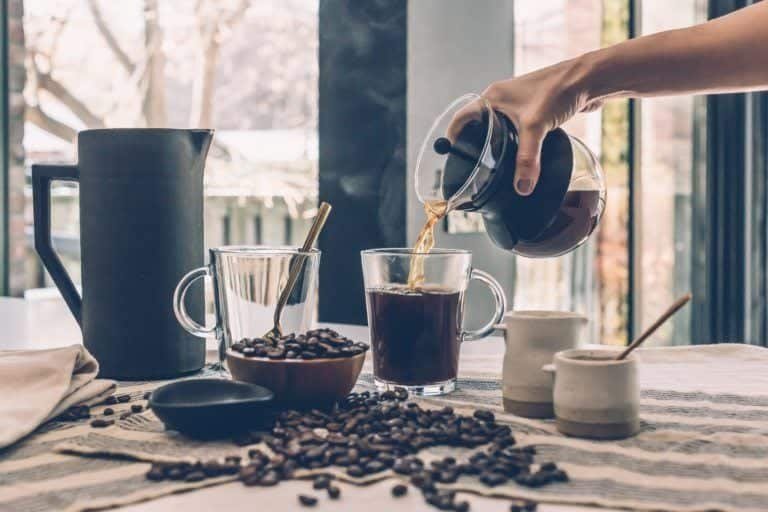
There’s a special disappointment to a bad home coffee — bitter, flat, somehow worse than the office pot. And there’s a special joy to a great one: the cup that makes you close your eyes for a second. The gap between those two cups isn’t expensive equipment. It’s about six small things, and most of them cost nothing. Here’s how to make your coffee taste better at home, starting with what you already own.
How to Make Your Coffee Taste Better at Home
1. Buy fresh beans (the biggest upgrade)
Coffee is produce — it goes stale. Beans peak 1-4 weeks after roasting, then decline. That bag with no roast date that’s been on the grocery shelf for six months? It’s the number one reason home coffee disappoints. Buy beans with a printed roast date, use within a month of it. Local roasters print roast dates; many grocery store bags don’t (which tells you everything). This single change improves coffee more than any brewer upgrade.
2. Grind just before brewing
Ground coffee goes stale in hours — the surface area exposed to air is enormous. Whole beans stay fresh for weeks; ground coffee fades by tomorrow. A basic burr grinder ($40-$80 — burr, not blade; blade grinders produce uneven chunks and dust) is the second-highest-ROI coffee purchase. Grind size matters: coarse for French press, medium for drip, fine for espresso, medium-fine for pour-over. Wrong grind = wrong extraction = bad cup, regardless of bean quality.
3. Fix your water
Coffee is 98% water — your water’s quality is your coffee’s quality. Heavily chlorinated tap water makes coffee taste flat or chemical. A simple carbon filter pitcher ($25) removes the off-flavors. Don’t use distilled water, though — coffee needs some minerals for proper extraction; distilled produces hollow, lifeless cups. Filtered tap is the sweet spot.
4. Get the ratio right
Most people eyeball coffee and use too little. The specialty standard: 1:16 coffee to water by weight — about 2 tablespoons (10g) per 6oz cup. A $12 kitchen scale eliminates all guessing and produces consistent cups. Too weak? Add coffee, not time. Too strong? Less coffee, not more water through the same grounds (which over-extracts and turns bitter).
5. Control the temperature
Water should be 195-205°F — just off boiling. Boiling water (212°F) scorches grounds and extracts bitterness; lukewarm water under-extracts and tastes sour and weak. No thermometer? Boil the kettle, wait 30-45 seconds, brew. That simple pause lands you in the right zone.
6. Clean your equipment
Old coffee oils go rancid and taint every cup. Run a descaling cycle monthly (vinegar or citric acid solution), wash the carafe and brew basket after every use, and replace paper filters’ storage (they absorb odors). A clean brewer with fresh beans beats a fancy brewer with stale beans and old oils — every time.
Brewing Methods: Pick Your Style
- Drip machine: Convenient, consistent. Use the ratios above, fresh beans, clean machine — it punches above its reputation.
- French press ($25-$40): Full-immersion, rich body, forgiving technique. Coarse grind, 4 minutes, plunge slowly.
- Pour-over ($20-$35 for dripper): Cleanest cup, most control, slight learning curve. The enthusiast’s choice for tasting bean nuances.
- Moka pot ($30-$50): Strong, espresso-adjacent coffee on the stovetop. An Italian classic that rewards practice.
- Cold brew: Coarse grounds + cold water, 12-24 hours in the fridge. Naturally sweeter, less acidic — summer’s answer.
No method fixes stale beans — but any method shines with fresh ones. Start with beans and grind; upgrade brewers later if the hobby bites.
Great coffee completes the weekend breakfast spread — and if your mornings need fuel beyond caffeine, healthy desk snacks keep the energy steady. The National Coffee Association publishes brewing standards if you want to go deep.
Coffee Storage: Keeping Beans Fresh
Fresh beans go stale through four enemies: air, moisture, heat, and light. The bag: store in the original valve bag (the one-way valve lets CO2 out without letting air in) or an airtight opaque container. Squeeze out excess air before sealing. Keep it at room temperature in a dark cabinet — not the fridge, not the freezer (with one exception below).
The fridge myth: refrigerating coffee is actively harmful — beans absorb moisture and odors (your coffee will taste faintly of last night’s leftovers). The freezer is acceptable only for long-term storage (beans you won’t use within 2-3 weeks): divide into weekly portions, freeze in airtight bags, and never refreeze. Thaw a portion fully before opening the bag — condensation on cold beans ruins them.
Buy in the right quantities: a 12oz bag lasts a 2-cup-a-day drinker about two weeks — the freshness sweet spot. Buying the 5lb bulk bag saves money per ounce but guarantees stale coffee for the last month. The math that matters isn’t cost per ounce; it’s cost per good cup.
Roast date discipline: write the open date on the bag. Use within 3-4 weeks of roast, ideally 1-2. When beans pass their prime, don’t toss them — they’re perfect for cold brew (the long extraction is forgiving of staleness) or baking (coffee enhances chocolate desserts). Stale beans aren’t trash; they’re just reassigned.
Coffee: Quick Answers
What’s the single biggest coffee upgrade? Fresh beans with a printed roast date, used within a month. It improves the cup more than any brewer or gadget.
Burr grinder or blade grinder? Burr, always — blade grinders make uneven chunks and dust that brew inconsistently. A basic $40-$80 burr grinder transforms extraction.
How much coffee per cup? About 2 tablespoons (10g) per 6oz water — the 1:16 ratio. A $12 kitchen scale makes it consistent and repeatable.
Is expensive coffee worth it? Up to a point — the jump from stale grocery coffee to fresh local roast is enormous; the jump from good fresh beans to competition-grade lots is subtle. Spend on freshness first (roast dates), then on quality tier. Fresh $15 beans beat stale $30 beans every time.
The Bottom Line
Better home coffee: fresh beans with a roast date, grind just before brewing with a burr grinder, filtered water, 1:16 ratio by weight, 195-205°F water, and clean equipment. In priority order: beans first, grind second, everything else after. You don’t need a $500 espresso machine — you need fresh beans and a scale. The eye-closing cup is closer than you think.