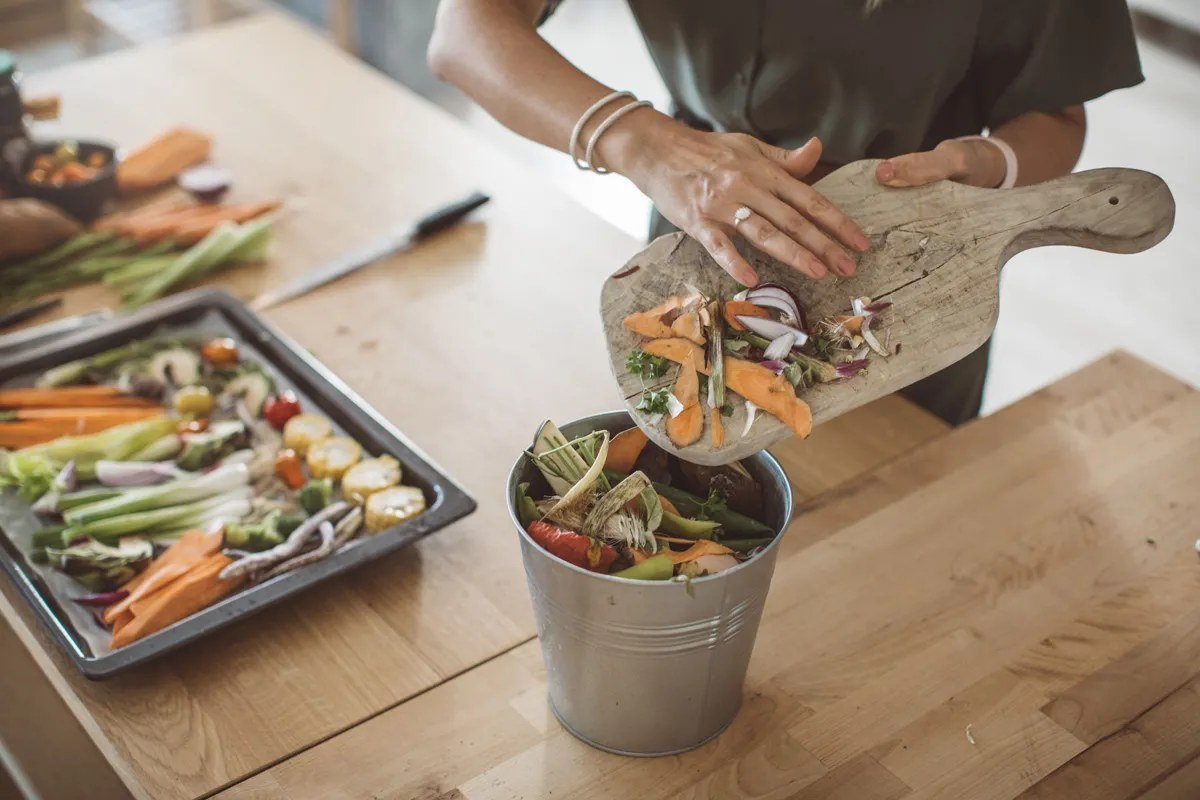
The average American family throws away about $1,500 worth of food every year. Let that sink in — it’s a vacation, an emergency fund, or a very nice television, rotting in the trash. And most of it isn’t dramatic spoilage; it’s the slow bleed of good intentions: the spinach that wilted, the leftovers nobody claimed, the “use by” confusion. Reducing food waste in your kitchen isn’t about guilt — it’s about systems that make waste hard and savings automatic.
How to Reduce Food Waste in Your Kitchen
1. Shop with a plan (the highest-impact habit)
Most food waste is purchased, not cooked — it starts at the store. The fix:
- Meal plan loosely before shopping — even 3-4 planned dinners plus flexible staples beats wandering the aisles hungry.
- Shop your kitchen first. Check the fridge, freezer, and pantry before making the list. Buying duplicates of what you have is the top cause of spoilage.
- Buy less, shop more often if your schedule allows. Two smaller trips waste less than one aspirational mega-haul.
- Don’t shop hungry. Cliché because it’s true — hunger shopping adds 20%+ impulse buys that rot uneaten.
2. Store food so it actually lasts
Proper storage doubles or triples the life of perishables:
- Learn your fridge zones: Door = condiments (warmest); top shelves = ready-to-eat; bottom shelves = raw meat (coldest, and drips can’t contaminate below); crisper drawers = produce (high humidity for veg, low for fruit).
- Herbs in water: Proper herb storage turns 4-day cilantro into 3-week cilantro.
- Berries: Don’t wash until eating; store in a breathable container with a paper towel. A vinegar rinse (1:3 vinegar-water, then dry) kills mold spores and adds days.
- Bread: Room temp for 2-3 days, freezer beyond that. The fridge makes bread stale faster (retrogradation — real food science).
- Freeze proactively: Meat you won’t cook in 2 days? Freeze it now, not when it’s questionable. Label with dates — mystery freezer bags get thrown away.
3. Understand dates (stop throwing away good food)
“Sell by,” “best by,” and “use by” mean different things, and only “use by” on certain products relates to safety. “Best by” is quality guidance — the food is usually fine well past it. The USDA is explicit: except for infant formula, date labels are not safety indicators. Trust your senses for most foods: smell it, look at it, and when in doubt with high-risk items (meat, dairy), err cautious — but stop tossing crackers because the “best by” passed last month.
4. Cook the “use it up” meal weekly
Designate one dinner weekly as the clean-out meal: one-pot everything soup, stir-fry, frittata, or fried rice. These dishes exist to absorb odds and ends — the half onion, the wilting greens, the last sausage. Make it a fun challenge (“what can we make from the fridge?”) rather than a chore. This single habit eliminates the majority of produce waste.
5. Love your leftovers (properly)
- Portion before serving when possible — food from serving dishes (untouched by utensils) keeps longer and feels more appealing than scraped plates.
- Cool quickly, refrigerate within 2 hours. Divide large pots into shallow containers for fast cooling.
- Label with dates. “Mystery container” is the leading cause of leftover disposal. Masking tape + marker, 5 seconds.
- Plan leftover nights into the week — a scheduled “eat the fridge” dinner prevents the archaeological dig.
- Reinvent, don’t just reheat: Roast chicken becomes tacos, then soup. Rice becomes fried rice. Repetition kills leftover enthusiasm; transformation revives it.
6. Use the whole ingredient
- Broccoli stems: peel and slice — as good as florets.
- Herb stems: as flavorful as leaves in cooked dishes.
- Parmesan rinds: simmer in soups for incredible depth (then discard).
- Stale bread: croutons, breadcrumbs, panzanella, French toast.
- Vegetable scraps: freezer bag of scraps becomes free stock.
- Overripe fruit: smoothies, baking, sauces. Baking with ripe bananas is the classic rescue.
7. Compost the unavoidable
Some waste is inevitable — peels, cores, coffee grounds. Composting (backyard bin, countertop composter, or municipal pickup) keeps it out of landfills where it generates methane. Even apartment dwellers can compost with a small bokashi or worm setup. It’s the last resort, not the first — but it beats the trash.
Pair waste reduction with smart meal prep — planned cooking wastes less by design. The EPA’s food waste resources quantify the environmental impact if you need motivation beyond the $1,500.
Kitchen Organization That Prevents Waste
Waste-reducing kitchens are organized kitchens. The “eat first” box: designate one fridge shelf or bin for items needing prompt use — the half onion, the leftovers from Tuesday, the yogurt nearing its date. When everyone’s trained to check the box first, waste plummets. Label it clearly; the system only works if it’s visible.
First in, first out: when unpacking groceries, move older items forward and put new ones behind. It takes 30 seconds and prevents the archaeology of discovering expired items behind fresh ones. Professional kitchens run on FIFO; home kitchens should too.
Transparent storage: you can’t eat what you can’t see. Clear containers, open shelving for frequently-used items, and a fridge organized so everything is visible. The back of the fridge is where food goes to die — organize so nothing lives there long.
The freezer map: tape a simple inventory list to the freezer door — item and date frozen. Cross off when used. Freezers without maps become food graveyards; with maps, they’re extensions of the pantry. Review monthly and plan a “freezer week” when it fills up — soups, stews, and stir-fries from frozen stores.
Right-size your shopping: the biggest waste reducer is buying only what you’ll use. It feels counterintuitive (bulk seems economical), but bulk perishables that spoil aren’t savings — they’re expensive trash. Buy bulk for shelf-stable goods; buy fresh in realistic quantities. The grocery store will still be there next week.
The Bottom Line
Reduce kitchen food waste by: shopping with a plan, storing food correctly (fridge zones, herb bouquets, proactive freezing), understanding date labels, cooking a weekly clean-out meal, managing leftovers intentionally, using whole ingredients, and composting the rest. You won’t hit zero waste — nobody does — but cutting it in half saves $750 a year and means the food you buy actually feeds you. That’s not deprivation; that’s just smart.