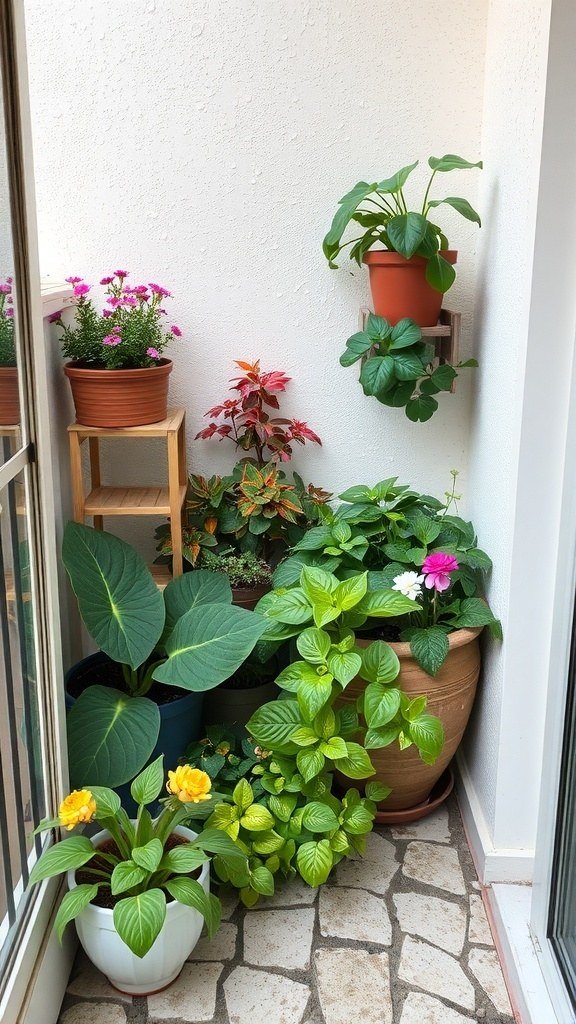
You don’t need a yard to grow things. Some of the most productive gardens I’ve seen are 40 square feet of balcony — tomatoes cascading over railings, herbs in a row of pots, peppers thriving in five-gallon buckets. If you’re wondering how to start a small garden on a balcony, here’s the good news: containers are actually easier than in-ground gardening in many ways. Better soil control, fewer weeds, fewer pests, and everything at arm’s reach.
This guide assumes you’re starting from zero: no tools, no experience, just a balcony and some curiosity.
Assess Your Balcony First (5 Minutes That Prevent Failure)
Before buying anything, answer three questions:
- How much sun? Watch your balcony for a day. 6+ hours of direct sun = full sun (tomatoes, peppers, most veggies). 3-6 hours = partial sun (lettuce, herbs, greens). Less than 3 = shade (mint, parsley, some flowers). Buy plants for the sun you have, not the sun you wish you had — this is the number one beginner mistake.
- How much weight? Soil is heavy — a large pot can weigh 50+ pounds when watered. Most balconies handle several medium pots fine, but check your lease/HOA rules and avoid lining the railing edge with giants. When in doubt, distribute weight and favor medium pots over massive ones.
- What’s the wind like? High balconies get brutal wind that dries soil fast and snaps stems. Windy? Choose sturdy plants, use heavier pots that won’t tip, and consider a small windbreak.
In warm climates like Florida, you get a superpower: year-round growing. While northern gardeners pack up in October, you can grow cool-season crops (lettuce, carrots, herbs) through “winter” and heat-lovers (tomatoes, peppers, okra) spring through fall. Just provide afternoon shade in peak summer — even sun-lovers cook in 95°F reflected balcony heat.
How Do I Start a Small Garden on a Balcony? The Starter Kit
You need less than you think:
- Containers with drainage holes. Non-negotiable — no holes, dead plants. 5-gallon buckets (food-grade, often free from bakeries/delis), fabric grow bags ($3-5 each, excellent drainage), or any pots you like. Bigger is better: small pots dry out in hours; 5+ gallons gives roots room and you margin for error.
- Potting mix, not garden soil. Garden soil compacts in pots and suffocates roots. A bag of all-purpose potting mix ($8-12) is the right stuff. Don’t reuse old potting mix without refreshing it.
- Seeds or seedlings? Seedlings (transplants) for your first garden — they skip the fiddly germination stage and give you a 4-6 week head start. Buy them from a local nursery, where varieties are chosen for your climate. Seeds are cheaper and come later, once you’re hooked.
- A watering can and basic fertilizer. Containers leach nutrients fast, so feed lightly every 2-3 weeks with an all-purpose liquid fertilizer at half strength. Over-fertilizing burns plants; under-fertilizing just slows them.
The Best Beginner Balcony Plants
Start with the forgiving and the rewarding:
- Herbs: Basil, mint (own pot — it’s invasive), parsley, chives, rosemary. Nearly indestructible, useful daily, and they make you feel like a gardener within weeks. Fresh herbs also improve every meal you cook.
- Cherry tomatoes: One plant in a 5-gallon bucket produces astonishing amounts. Choose a “patio” or “determinate” variety bred for containers. They need full sun and consistent water — a self-watering container helps enormously.
- Peppers: Bell or hot peppers thrive in pots, love heat, and produce for months. Very forgiving of beginner mistakes.
- Lettuce and greens: Grow in shallow containers, harvest outer leaves continuously (“cut and come again”), and regrow quickly. Perfect for partial-sun balconies.
- Green beans (bush type): Fast, productive, and fun — seeds sprout in days, beans in weeks. Kids love these.
Skip for year one: corn (needs space), pumpkins (need a farm), fussy heirlooms, and anything the nursery can’t confirm suits containers.
Watering: The Make-or-Break Skill
More balcony plants die of thirst than anything else — pots dry out far faster than ground soil, especially in sun and wind. The rule: stick your finger an inch into the soil. Dry? Water deeply until it drains from the bottom. Moist? Wait. In summer heat, big pots may need daily watering; mulch the soil surface (straw, wood chips) to slow evaporation dramatically.
Self-watering containers are the beginner’s cheat code — a reservoir at the bottom keeps soil consistently moist for days. They’re $15-25 and eliminate the most common failure mode. If you travel, they’re the difference between coming home to a garden and coming home to a tragedy.
For pest issues, start with the gentlest fixes: blast aphids off with water, handpick caterpillars, use insecticidal soap for persistent problems. Balcony gardens get fewer pests than ground gardens — one of the quiet advantages. Your local cooperative extension service offers free, region-specific gardening advice that’s better than any generic guide.
Start This Weekend
Buy three 5-gallon containers, a bag of potting mix, and seedlings of basil, cherry tomato, and lettuce. Pot them up (fill container, dig hole, plant at same depth it was growing, water deeply), put them in your sunniest spot, and you’re a gardener. Total cost: under $40. Total time: an hour.
Gardening teaches patience in a way nothing else does — and there’s something quietly profound about eating food you grew on a concrete balcony ten stories up. Pair it with easy indoor plants and your whole home starts feeling alive. Start small, keep them watered, and enjoy the slowest, most satisfying hobby there is.
Troubleshooting: Why Balcony Plants Struggle (And Fixes)
Even with the right setup, things go sideways. Here are the most common balcony garden problems and their fixes. Leggy, stretched plants: not enough light — move to the sunniest spot or choose shade-tolerant varieties. Wilting despite wet soil: root rot from poor drainage — check that holes aren’t blocked and let soil dry between waterings. Yellowing lower leaves: usually overwatering or nitrogen deficiency — ease off water first, then try half-strength fertilizer.
Blossom drop on tomatoes/peppers: heat stress or inconsistent watering — mulch heavily and water deeply at the same time daily. In extreme heat, afternoon shade cloth ($10) works wonders. Pests: balcony gardens mostly battle aphids and spider mites — a strong jet of water knocks aphids off, and insecticidal soap handles persistent cases. Avoid broad pesticides; you’re growing food inches from your living space.
The meta-lesson: plants tell you what’s wrong if you look daily. A 60-second morning check — soil moisture, leaf color, new growth — catches 90% of problems while they’re trivial. Gardening isn’t about preventing all problems; it’s about noticing early. Your balcony is a small enough system that daily attention makes you nearly infallible within a season.
New to plants generally? Start even simpler with these unkillable indoor plants for beginners — master those, and the balcony garden will feel easy. And your harvest will taste better in a kitchen run on a simple weekly meal plan.