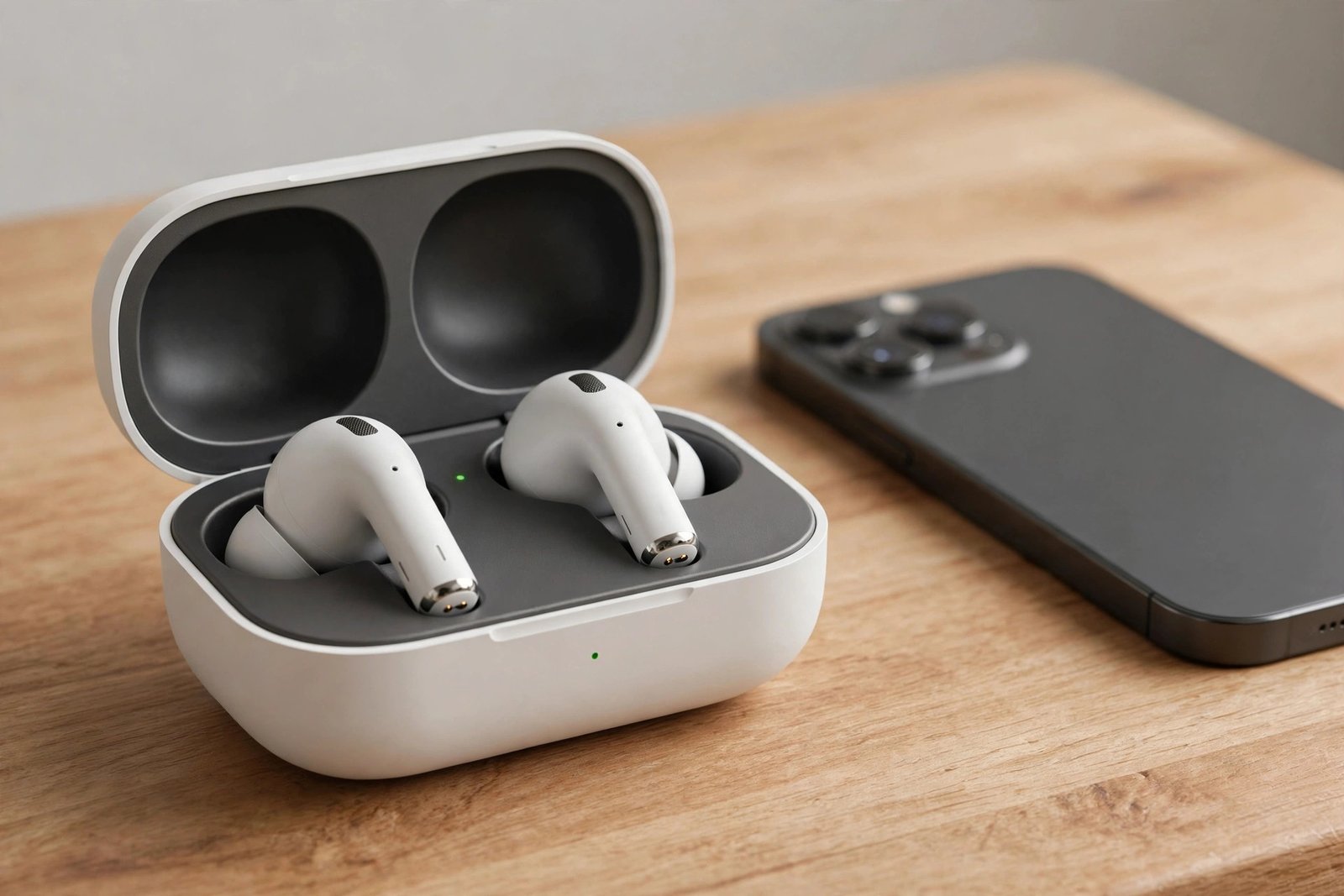
Good wireless earbuds used to cost $250. Now the sub-$150 category is fiercely competitive — packed with options that sound excellent, fit well, and survive South Florida’s heat, humidity, and sudden downpours. But the sheer number of choices is paralyzing: dozens of brands, conflicting reviews, and spec sheets full of codec acronyms nobody explains. If you’re shopping in South Florida, this guide cuts through the noise with a practical framework for choosing the best wireless earbuds under $150 — no engineering degree required.
Start With Fit: The Factor Nobody Prioritizes (But Everyone Should)
The best-sounding earbuds in the world are worthless if they fall out during a Miami jog or hurt after an hour. Fit is personal — ear canals vary enormously — so prioritize models with multiple ear-tip sizes (most good ones include at least three) and, ideally, different tip materials. Memory-foam tips seal better and stay put during workouts; silicone tips are easier to clean in humid climates where sweat and sunscreen migrate into everything.
South Florida-specific fit advice: humidity makes ears sweat, which loosens seals. If you’ll wear earbuds for workouts or long outdoor sessions, look for earbuds with ear fins or wings for extra stability. And test the fit at home immediately — most retailers allow returns within 15–30 days, and fit is the number-one reason for returns.
Sound Quality: What Actually Matters Under $150
Forget frequency-response graphs. For real-world listening, three things matter:
- Driver size and tuning: larger drivers (10mm+) generally produce fuller bass. But tuning — how the manufacturer balances bass, mids, and treble — matters more than raw specs. Read reviews describing the sound signature: “V-shaped” means boosted bass and treble (fun, energetic), “balanced” means neutral (better for varied music).
- Codecs: the Bluetooth audio format. AAC works well with iPhones; aptX and LDAC offer higher quality on Android. Under $150, LDAC support is a genuine differentiator for Android users — it transmits significantly more data than standard Bluetooth audio.
- EQ customization: a good companion app with an equalizer lets you fix any tuning you dislike. This single feature can make $80 earbuds sound like $150 ones.
For most listeners, well-reviewed $80–$120 earbuds with EQ apps now match the sound quality that cost $250 five years ago. Diminishing returns hit hard in this category.
Noise Cancellation: Worth It at This Price?
Active noise cancellation (ANC) has trickled down to budget earbuds, but quality varies wildly. Under $150, expect good ANC that tames airplane drone, office hum, and Metrorail rumble — not the silence of flagship models. It’s genuinely useful for Miami commuters, open offices, and flights.
Key test: ANC quality matters less than the combination of ANC plus passive isolation from a good seal. Earbuds with mediocre ANC but excellent fit often block more real-world noise than the reverse. Also check for transparency mode (letting outside sound in) — essential for safe outdoor running and situational awareness.
Battery Life and Charging: The Practical Numbers
Look for at least 6 hours per charge with ANC on (8+ with it off) and 24+ hours total with the case. Wireless charging is a nice bonus but not essential. Fast charging (10 minutes = 1–2 hours of playback) matters more in practice — it’s the feature that saves you when you forget to charge overnight.
Florida heat note: don’t leave earbuds baking in a parked car. Lithium batteries degrade faster in extreme heat, and a Miami summer dashboard can exceed 150°F. The case is small — bring it inside.
Durability: Sweat, Rain, and Sand
Check the IP rating: IPX4 handles sweat and light rain; IPX5–IPX7 survive heavy workouts and downpours. For beach use, look for IP57+ (dust/sand protection matters as much as water). South Florida buyers should treat IPX4 as the minimum — afternoon thunderstorms are not optional here.
Build quality clues from reviews: hinge durability on the case, tip longevity, and whether the earbuds survive drops. Budget earbuds cut costs somewhere; make sure it’s not the hinge.
Smart Shopping Strategy in South Florida
Where to buy: Best Buy, Target, and Amazon all carry the major players with easy returns — critical for fit testing. Watch for sales: Prime Day, Black Friday, and back-to-school season routinely drop $150 earbuds to $90–$110.
How to choose: shortlist 3 models from reputable reviewers (not sponsored “top 10” listicles — look for reviewers who bought the product), check the return policy, buy your top pick, and test ruthlessly for a week: fit during activity, call quality in wind, comfort over hours. Keep the winner; return the rest. There’s no shame in it — it’s the only way to test fit.
Pair your new earbuds with new music you’ll actually like — discovering fresh tracks is half the joy of an audio upgrade. And if you’re musically inclined, supporting local artists and musicians in South Florida’s live scene gives those earbuds something worth playing.
Call Quality: The Hidden Dealbreaker
Here’s what spec sheets hide: microphone quality varies more than sound quality in the budget category. If you take calls outdoors — Miami’s wind, traffic on Biscayne Boulevard, ocean breeze on the beach — some budget earbuds transmit every gust while others use multi-mic arrays and AI noise reduction to keep your voice clear. This is the feature most likely to disappoint after purchase, because you can’t test it in a store.
Before buying, search reviews specifically for “call quality” and “microphone test” for your shortlisted models. Video reviews with mic demos are gold. The FCC’s wireless device guidance explains Bluetooth standards in plain language, and the National Institute on Deafness offers research on safe listening volumes — worth heeding before you crank new earbuds to max. If calls matter to you (remote workers, take note), prioritize models reviewers praise for voice pickup — it’s worth trading a little bass for a microphone that works on a windy day.
What to Do When They Break (or Get Lost)
Budget earbuds live hard lives — gym bags, beach trips, couch cushions. Before replacing a lost or broken pair, check two things: most manufacturers sell single replacement earbuds (cheaper than a new set), and many credit cards extend warranties on electronics purchases. For longevity, store them in the case (not loose in a pocket where the hinge and tips take abuse), clean tips weekly with a dry cloth — Florida’s sunscreen-sweat film degrades silicone over time — and keep firmware updated through the companion app, since updates frequently improve ANC and connectivity.
Conclusion
Choosing the best wireless earbuds under $150 in South Florida comes down to: fit first (test with real returns), sound tuning plus EQ over raw specs, good-enough ANC with strong passive isolation, honest battery numbers, and at least IPX4 for our climate. The category is so competitive now that any well-reviewed model from a reputable brand will delight you — the bigger risk isn’t choosing wrong, it’s analysis paralysis. Pick your shortlist, test at home, and enjoy the music.
Frequently Asked Questions
Are expensive earbuds worth it over budget ones?
For most listeners, no — the gap between $100 and $250 earbuds has shrunk dramatically. Flagships win on ANC quality and premium features, but sound quality differences are subtle for casual listening.
What does IPX4 mean for earbuds?
It means protection against water splashes from any direction — enough for sweat and light rain. For heavy workouts or beach use in Florida, look for IPX5 or higher.
Do I need LDAC or aptX codecs?
Only if you’re an Android user who cares about maximum audio quality. iPhone users are limited to AAC regardless, so codec support shouldn’t drive their decision.
How long do wireless earbuds last?
Typically 2–3 years before battery degradation becomes noticeable. Heat accelerates decline, so South Florida users should avoid leaving earbuds in hot cars.
Can I use cheap earbuds for phone calls?
Yes, but call quality varies enormously. Check reviews specifically for microphone performance in wind and noise — this is where budget models differ most.