Dealers make money on your trade-in — that’s not cynicism, it’s arithmetic. Selling privately typically nets 10–20% more than trading in, which on a $20,000 car is $2,000–$4,000 for a few weekends of effort. But private sales have their own pitfalls: pricing mistakes, scammers, no-shows, and paperwork errors that haunt you. Here’s how to sell your car privately for the best price — maximum money, minimum drama.
Price It Right: The Foundation of Everything
Overprice and you get silence; underprice and you donate money. Get three data points: KBB private-party value, Edmunds True Market Value, and actual asking prices for comparable cars on Facebook Marketplace, Autotrader, and Craigslist in YOUR market (not national averages — Florida convertible prices differ from Ohio’s). Price at the realistic middle, then list 5–8% above your target to leave negotiation room — buyers need to feel they “won” something.
Adjust honestly for your car’s specifics: add for low miles, excellent condition, new tires, documented maintenance; subtract for accidents, high miles, cosmetic issues, upcoming major services. The discipline here mirrors accurately valuing any used product — the market price is discoverable, and precision pays.
Prepare the Car: $200 That Returns $2,000
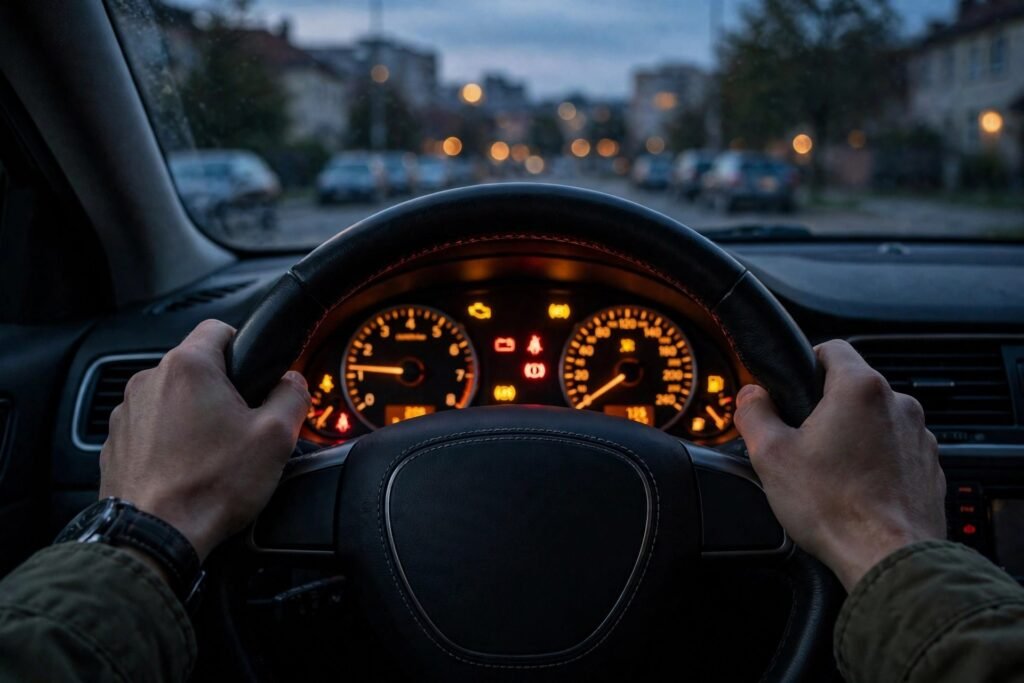
Detail it — thoroughly, inside and out ($150–$250 professional detail, or a full weekend DIY). Fix cheap annoyances: burnt-out bulbs, dead key fob battery, cracked windshield wipers, warning lights (diagnose first — hiding problems is fraud-adjacent and discoverable). Gather documentation: service records, both keys, owner’s manual, title (lien-free is simplest; if you owe, understand your lender’s payoff process before listing).
Photography sells cars: 20–30 photos in daylight (overcast is ideal — no harsh shadows), all angles exterior, every seat and the trunk interior, dashboard with mileage, engine bay, tires, and close-ups of any flaws (honesty in photos builds trust and filters out picky buyers before they waste your Saturday). Write the ad like a human: year/make/model/trim, mileage, key features, maintenance history, reason for selling, and flaws disclosed upfront. Disclosed flaws build credibility; discovered flaws kill deals.
List Where Buyers Actually Are
Facebook Marketplace: largest audience, free, but maximum flakes and scammers — use its buyer profiles to filter. Autotrader/Cars.com: serious buyers, small listing fee, worth it for cars over $10,000. Craigslist: still effective, still scammy — cash-only in-person rules apply. Specialty forums: enthusiast cars (Miatas, trucks, classics) sell best to enthusiast communities at premium prices.
Cross-post to two or three platforms — more exposure, more competition among buyers, better price. Refresh listings weekly; stale ads signal desperation or problems.
Handle Buyers Like a Professional
Screen before meeting: short phone call, confirm they have funds/insurance/transport, no test drives without seeing their license (photograph it — legitimate buyers expect this). Meet safely: public place, daylight, bring someone. Many police stations offer “safe trade” parking spots — use them. Test drives: ride along, verify their insurance covers it, set a route. Negotiate firmly: know your floor price in advance; the first offer is never the best; silence after your counter works on buyers too.
Scam armor: cashier’s checks can be forged — verify with the issuing bank by phone (independently looked-up number); never accept overpayment + refund requests (classic scam); never release the car before payment fully clears; beware “shippers” and out-of-area buyers for local cars. Cash at your bank (where the teller verifies bills) is simplest for under $10,000; for larger amounts, meet at the buyer’s bank for a direct transfer or verified cashier’s check.
The selling mindset — presentation, pricing psychology, buyer handling — transfers from any direct selling; successful online selling principles (great photos, honest descriptions, responsive communication) apply to cars just as they do to anything else.
Paperwork: The Part That Protects You
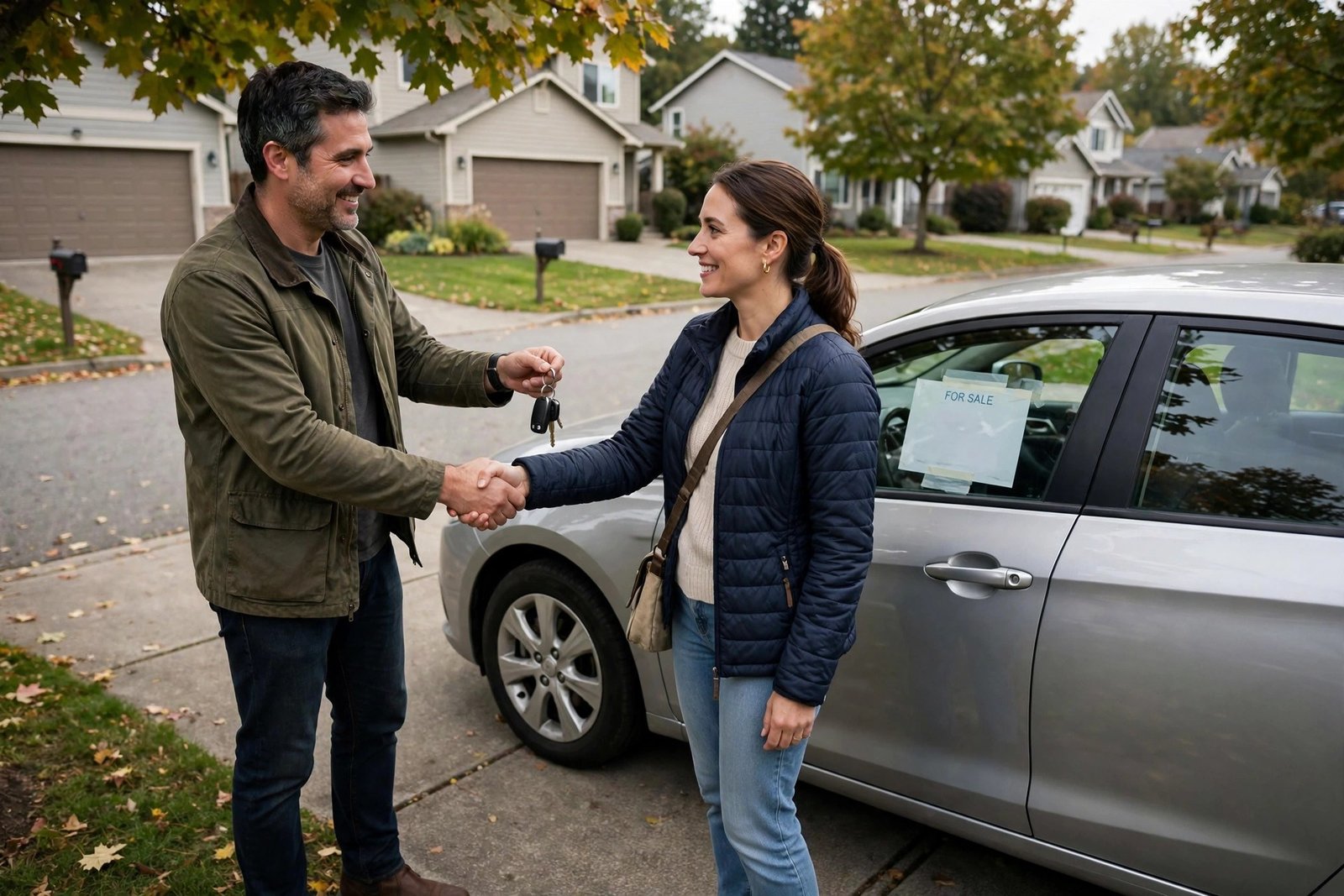
Florida private sale essentials: signed title transfer (complete the seller section fully — incomplete titles create liability), bill of sale (both parties sign, two copies, including “sold as-is” language and odometer reading), remove your license plate (in Florida, plates stay with the SELLER — keep yours), cancel/transfer insurance only after the sale completes, and file the sale notice with the DHSMV. Keep copies of everything for years — if the buyer racks up toll violations or abandons the car before retitling, your paperwork proves you sold it.
Never let a buyer “pay you next week” and drive away — no payment, no keys, no exceptions. And never sign a blank title or leave buyer information incomplete: an open title makes you liable for whatever happens with that car.
Timing Your Sale: When Private Prices Peak
WHEN you sell affects what you get — used car prices breathe with the seasons. Spring is peak season: tax refunds flood buyers with down payments, and demand lifts prices 5–10% above winter lows — March through May is historically the strongest selling window. Summer holds steady for family vehicles (SUVs, minivans) as road-trip season approaches. Fall softens as new model years arrive and dealers discount — private sellers compete with those deals. Winter is the buyer’s market: December–January prices dip, except for 4WD vehicles in snow states (irrelevant in Florida, where convertibles paradoxically hold value year-round).
Vehicle-specific timing: sell convertibles and sports cars in spring (top-down season optimism), trucks before hunting/work seasons where relevant, and economy cars whenever gas prices spike (demand surges instantly). Don’t wait for perfection: timing the absolute peak is less valuable than selling before the next depreciation milestone (100k miles, model redesign) or the next repair bill. A good price in April beats a theoretically perfect price in June that never comes because the transmission started slipping in May.
Curbstoning: The Illegal Dealer Next Door
Watch out for “curbstoners” — unlicensed dealers posing as private sellers, flipping multiple cars yearly from driveways and parking lots without licenses, warranties, or accountability. They’re illegal in Florida (selling more than 3 cars/year without a dealer license), and their cars are often title-washed flood vehicles, odometer rollbacks, or auction lemons with problems polished just enough to sell.
Spotting them: multiple cars for sale from the same phone number, ads that avoid showing license plates, sellers who “just bought it for my cousin but he changed his mind,” titles not in the seller’s name (title jumping — itself illegal), and pressure to meet anywhere but their home. Protecting yourself: always verify the seller’s ID matches the title name, run the VIN through NMVTIS (National Motor Vehicle Title Information System) for title-brand history, and get the pre-purchase inspection — curbstoners’ cars fail inspections at remarkable rates. A legitimate private seller has one car, their name on the title, and nothing to hide. Everyone else is a business without a license — and you don’t want to be their customer.
Conclusion
Selling privately for the best price means: pricing from real market data (not hope), investing $200 in preparation that returns thousands, photographing and listing professionally across platforms, screening buyers and meeting safely, spotting payment scams cold, and completing Florida paperwork airtight. It’s 10–15 hours of effort for typically $2,000–$4,000 over trade-in value — the highest hourly rate most people ever earn. Do the work, and the money follows.
Frequently Asked Questions
How to sell your car privately for the best price?
Price from KBB/Edmunds plus local comparable listings (list 5–8% above target for negotiation room), detail the car professionally, take 20–30 daylight photos with flaws disclosed, list on 2–3 platforms, screen buyers, and complete paperwork airtight.
How much more do you get selling privately vs. trading in?
Typically 10–20% more — $2,000–$4,000 on a $20,000 car. Dealers wholesale your trade; private buyers pay retail. The gap is your compensation for the extra effort.
Where is the best place to sell a car privately?
Facebook Marketplace (biggest free audience), Autotrader/Cars.com (serious buyers, small fee, best for $10,000+ cars), and enthusiast forums for specialty vehicles. Cross-post for maximum buyer competition.
How do I avoid scams when selling my car privately?
Verify cashier’s checks with the issuing bank directly, never accept overpayment/refund schemes, don’t release the car before payment clears, meet at banks or police safe-trade spots, and photograph buyers’ licenses before test drives.
What paperwork do I need to sell a car privately in Florida?
Signed title transfer (complete seller section fully), bill of sale with “as-is” language and odometer reading (two signed copies), keep your license plate (Florida plates stay with seller), and file the sale notice with DHSMV. Keep copies for years.