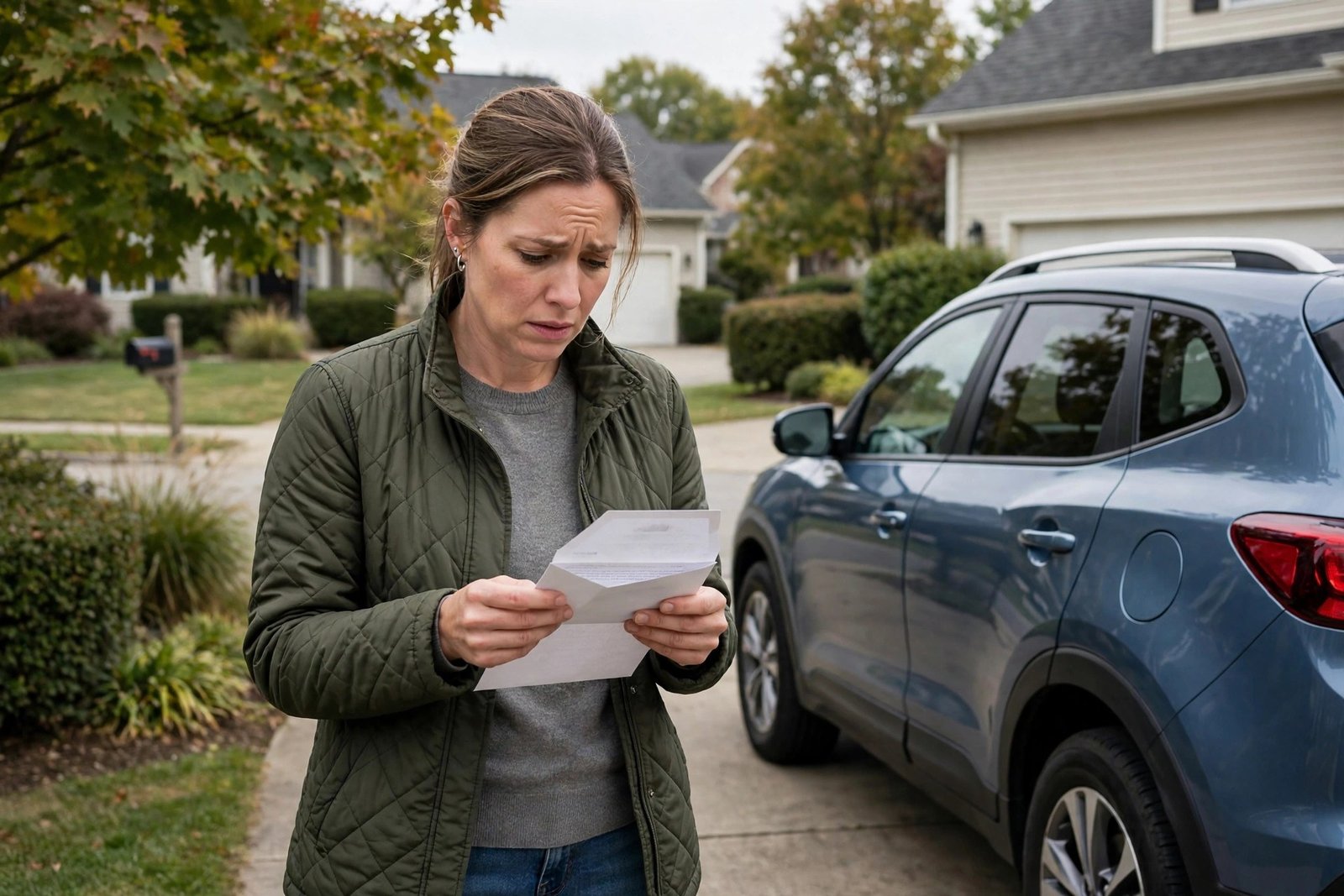
Your car has a recall. Maybe you got the letter; maybe you saw it on the news; maybe you’re reading this because something feels off and you’re wondering. Recalls sound scary but they’re actually the safety system working — manufacturers fixing defects for free. What matters is understanding what recalls mean, how to check yours, and what to do (and not do) once you find one. Here’s the complete guide.
What a Recall Actually Is
A recall is a manufacturer’s acknowledgment of a safety defect or non-compliance with federal safety standards, requiring free repair. Recalls are issued voluntarily by manufacturers or mandated by the National Highway Traffic Safety Administration after investigation. They’re common — tens of millions of vehicles are recalled yearly in the US — and they cover everything from airbags (the Takata recall affected 67+ million) to backup cameras to floor mats.
Critical distinction: recalls are FREE repairs by law, including parts and labor, regardless of warranty status or vehicle age. Any dealer of that brand must perform recall work. If anyone tries to charge you for a recall repair, that’s wrong — full stop.
How to Check Your Car (Takes 60 Seconds)
Go to nhtsa.gov/recalls and enter your 17-digit VIN (on your dashboard through the windshield, driver’s door jamb, or insurance card). You’ll see all open recalls instantly. Do this for every used car you consider buying, too — it’s part of verifying any used purchase thoroughly, and open recalls on a used car are the seller’s problem to fix before you pay (or negotiating leverage if you’ll handle it).
Also register your vehicle with the manufacturer (owner’s site) to receive recall notices directly — the #1 reason recalls go unaddressed is owners never learning about them, especially second/third owners who never registered. Before entering your VIN anywhere, make sure you’re on the genuine government site — the same caution as verifying any website’s legitimacy applies; only nhtsa.gov and manufacturer official sites need your VIN.
What to Do When You Have a Recall
1. Assess urgency. Recalls are labeled by risk — “do not drive” warnings (park outside, stop driving immediately) are rare but absolute; most are “schedule at your convenience.” Read the notice carefully; the urgency language is deliberate. 2. Call any dealer of your brand (not just where you bought it) and schedule the recall service — mention the recall number. 3. Ask about interim measures: for serious recalls, manufacturers sometimes offer loaners or advise parking outside (fire-risk recalls). Ask explicitly. 4. Keep records: save the completion paperwork — it matters for resale and for any future related claims.
What NOT to do: don’t ignore it (unfixed recalls can affect insurance claims and resale, and obviously safety), don’t pay for it (it’s free by law), don’t let an independent shop do it unless manufacturer-authorized (it won’t count as completed in the system), and don’t assume “my car feels fine” means anything — many defects (airbags, fuel systems) give zero warning before failure.
Recalls vs. TSBs vs. Warranty Extensions
People conflate three different things. Recalls: safety defects, free repair, government-tracked, you get notified. TSBs (Technical Service Bulletins): manufacturer guidance to dealers about known issues — NOT free unless you’re under warranty, and you’re NOT notified. Warranty extensions: manufacturers sometimes extend coverage for specific components (CVT transmissions, etc.) — free repair for that part, but limited scope and time. If a dealer mentions a TSB for your out-of-warranty car, ask politely whether goodwill coverage applies — sometimes it does, especially for known widespread issues.
The Takata Lesson: Why “Later” Can Be Dangerous
The Takata airbag recall — the largest in history — killed 28+ people in the US, many in older Hondas whose owners ignored recall notices for years. The propellant degraded over time, making older inflators MORE dangerous. The lesson: recall risk often INCREASES with delay. That letter isn’t junk mail; for some recalls, it’s the most important mail you’ll get all year. Check your VIN today — it takes a minute, and the peace of mind (or the caught-in-time repair) is worth infinitely more.
Recall Fatigue: Why a Third of Recalled Cars Never Get Fixed
Here’s the uncomfortable statistic: roughly a quarter to a third of recalled vehicles never receive the fix. Not because owners refuse — mostly because they never know. The notification chain breaks constantly: manufacturers mail to the last registered address (you moved twice since), second owners never register, notices look like junk mail, and life intervenes. Older, cheaper cars — the ones driven by the people least able to absorb a safety failure — have the lowest completion rates.
The fix is personal responsibility plus better systems. Check your VIN twice a year — tie it to something (daylight saving time changes, your birthday) so it becomes ritual. Register with the manufacturer the day you buy any car, new or used — it takes five minutes on the owner’s website and puts you in the notification database. Use free recall apps that monitor your VIN and push alerts. And when you sell a car privately, tell the buyer about open recalls — it’s decent, it’s honest, and in some states it’s legally required disclosure. The recall system is one of the best consumer-protection mechanisms ever built, but it only works if the last mile — you learning about your recall — actually happens.
Motorcycle and RV Recalls: The Forgotten Categories
Cars dominate recall headlines, but motorcycles, RVs, and powersports vehicles have their own recall ecosystems — with lower completion rates and higher stakes. Motorcycles: check the VIN at nhtsa.gov just like cars; manufacturers also notify registered owners, but bike ownership changes hands more often with less paperwork, so the notification chain breaks faster. A brake or tire recall on a motorcycle is more dangerous than the same defect in a car — there’s no steel cage as backup.
RVs: uniquely complex — the chassis manufacturer (Ford, Mercedes) and the coach builder (Thor, Winnebago) issue SEPARATE recalls for their respective components. RV owners must check both, and many check neither. Tires and child seats have their own recall databases on nhtsa.gov — worth checking independently of any vehicle. The principle is universal: anything with a VIN or serial number can be recalled, the check is always free and fast, and the fix is always free. Extend the 60-second VIN habit beyond your car to everything you ride, tow, or strap your kids into.
Conclusion
Understanding car recalls means knowing: they’re free safety repairs by law, checking takes 60 seconds on nhtsa.gov with your VIN, urgency varies (read the notice), any brand dealer must do the work, and delay can genuinely increase danger. Register with the manufacturer so notices reach you, act promptly on what you find, and never pay for recall work. The system only protects you if you participate — and participation takes less time than reading this article.
Frequently Asked Questions
How to understand car recalls and what to do?
Check your VIN at nhtsa.gov/recalls, read the urgency level, call any dealer of your brand to schedule the free repair, ask about interim safety measures for serious recalls, and keep completion records. Never pay for recall work — it’s free by federal law.
Are car recalls really free?
Yes — manufacturers must repair safety recalls free including parts and labor, regardless of warranty status or vehicle age. Any franchised dealer of that brand must perform the work.
How do I check for recalls on a used car before buying?
Enter the VIN at nhtsa.gov/recalls — it shows all open recalls in seconds. Factor open recalls into negotiation: they’re the seller’s responsibility, or leverage for you if you’ll handle the free repair yourself.
What happens if I ignore a car recall?
The defect risk remains (and some, like Takata airbags, worsen with time), resale value drops, and insurance complications can arise after incidents involving known unrepaired defects. There’s no benefit to waiting.
What is the difference between a recall and a TSB?
Recalls address safety defects with free, government-tracked repairs and owner notification. TSBs are internal manufacturer repair guidance — not free out of warranty, and owners aren’t notified. Ask dealers about goodwill coverage for TSB-related repairs.