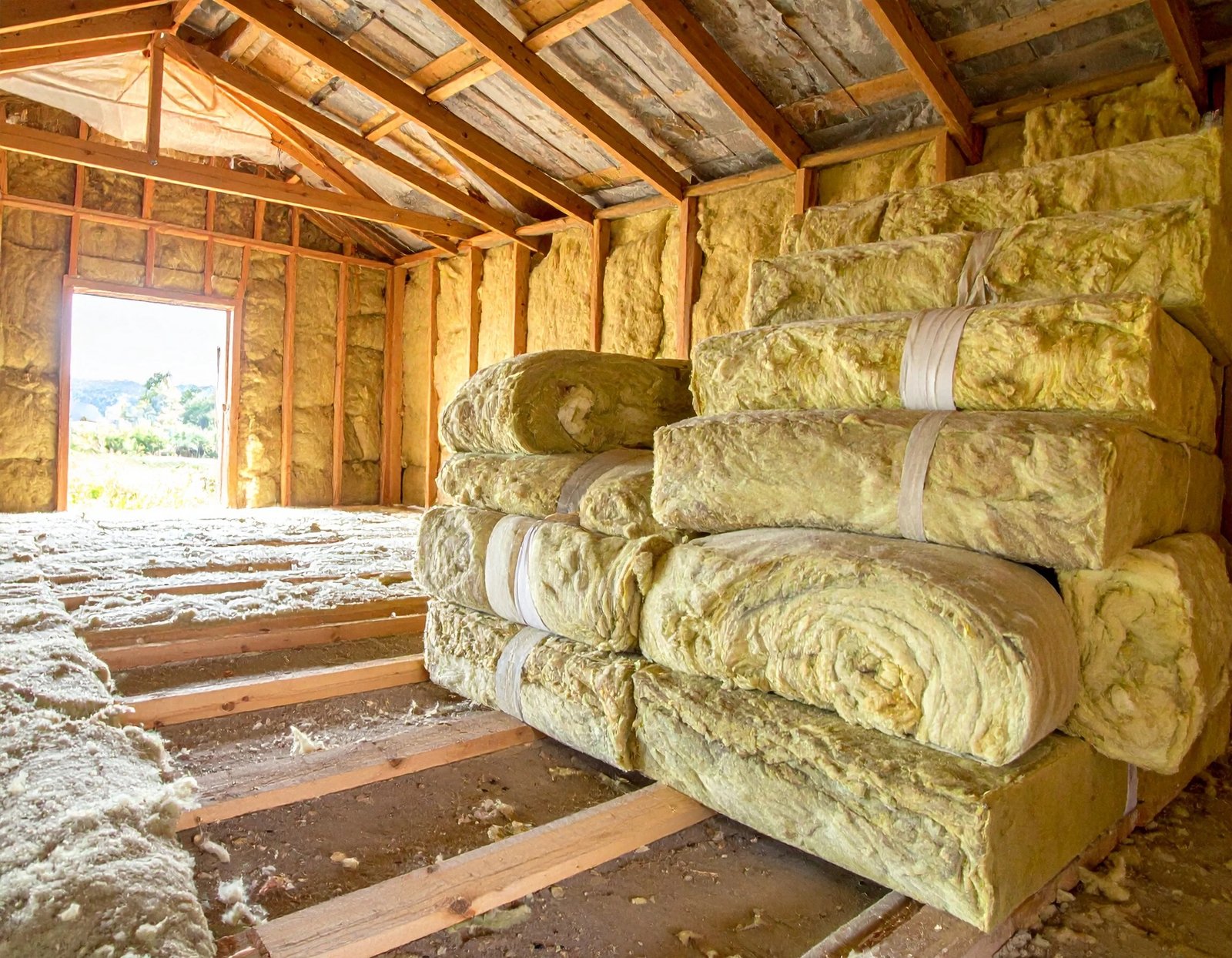
Insulation is the least glamorous home improvement and one of the most impactful — it’s invisible, unphotogenic, and saves you money every single day for decades. But older homes present special challenges: no wall insulation, knob-and-tube wiring concerns, plaster walls you don’t want to destroy, and attics that were insulated when Eisenhower was president. Here’s how to choose the right insulation for an older home without creating new problems.
The Best Type of Insulation for an Older Home
First: understand what you’re working with
Homes built before 1980 often have little or no wall insulation, minimal attic insulation (if any), and air leakage that would make a modern builder weep. The priority order for older homes is almost always: 1) air seal, 2) attic insulation, 3) basement/crawlspace, 4) walls last. Walls are the hardest and most expensive to insulate in existing homes — do everything else first, because air sealing + attic insulation typically delivers 70% of the benefit for 30% of the cost.
Before insulating an older home, check for: knob-and-tube wiring (insulation can’t cover it — fire hazard; needs an electrician first), moisture problems (insulating over moisture traps it and grows mold), and vermiculite insulation (may contain asbestos — test before disturbing; the EPA’s asbestos guidance covers this).
Attic: blown-in cellulose or fiberglass (best value)
For most older homes, blown-in cellulose is the top pick for attics. It’s made from recycled paper treated with fire retardant, fills every nook and cranny (critical in attics with irregular framing), has a good R-value per inch (R-3.5), and costs $1-$2/sq ft installed. It also air-seals modestly as it settles into gaps.
Blown-in fiberglass is the main alternative — similar cost, slightly lower R-value per inch (R-2.5), but doesn’t settle as much over time. Either is excellent; the installer matters more than the material. Target R-38 to R-49 in most climates (12-16 inches deep).
DIY blown-in is very doable — home stores lend the blower free with a minimum insulation purchase. Two people, one day, $500-$1,000 in materials for a typical attic. Just don’t block soffit vents (use baffles) and wear serious respiratory protection.
Walls: dense-pack cellulose or injection foam
Insulating existing walls without gutting them means working through small holes:
- Dense-pack cellulose ($2-$4/sq ft of wall): Blown into wall cavities through 2-inch holes drilled from inside or outside, then patched. Fills completely, good R-value (R-3.5/inch), eco-friendly, and provides some air sealing. The best value for older homes with empty wall cavities.
- Injection foam ($3-$5/sq ft): Expanding foam injected through small holes. Higher R-value (R-5+/inch), excellent air sealing, but more expensive and can cause issues if walls have moisture problems (it traps moisture). Also harder to remove if future work is needed.
- What to avoid: Don’t let anyone talk you into drilling walls before addressing knob-and-tube wiring or moisture. And never insulate walls while leaving the attic bare — heat rises, and the attic is where most of it escapes.
Basement/crawlspace: rigid foam board
Rigid foam board (XPS or polyiso, R-5 to R-6.5/inch) on basement walls or crawlspace walls is the right call — it’s moisture-resistant, which fiberglass batts are not (wet fiberglass is worse than no insulation). For crawlspaces, insulating the walls and sealing vents (creating a “conditioned” crawlspace) outperforms insulating the floor above in most climates.
What about spray foam?
Closed-cell spray foam (R-6.5/inch) is the premium option — incredible R-value, air seals perfectly, adds structural rigidity. It’s also $3-$7/sq ft installed, making whole-house application very expensive. Best used strategically: rim joists (the number one air-leak location in older homes), around windows during replacement, and in hard-to-reach spots. A “flash and batt” approach (thin spray foam layer + fiberglass batts) captures most benefits at lower cost.
The Older-Home Insulation Game Plan
- Energy audit first ($0-$400, often subsidized by utilities). A blower-door test shows exactly where your home leaks — insulate based on data, not guesses.
- Air seal the attic plane — caulk and foam every penetration (wires, pipes, chimneys) before adding insulation. This is the step contractors skip and homeowners regret skipping.
- Blow in attic insulation to R-38+.
- Insulate rim joists with cut-and-cobble foam board or spray foam.
- Address walls with dense-pack cellulose if budget allows.
- Check available incentives — the ENERGY STAR tax credit database and DOE Energy Saver list federal credits covering up to 30% of insulation costs.
These upgrades compound with simpler energy-saving measures — do the cheap stuff first, then insulate for the long-term win. And winterizing pairs naturally with insulation work in fall.
Insulation and Old-House Quirks
Older homes hide surprises that affect insulation projects. Balloon framing (common pre-1930s): wall cavities run continuously from basement to attic, creating fire channels and massive air leakage. Insulating these walls without addressing the open chases is half a job — fire-blocking (required by code when you open walls) and air-sealing the top and bottom plates matter as much as the insulation itself.
Plaster walls: dense-pack cellulose works, but the drilling and patching is more delicate than with drywall — plaster cracks easily. Hire installers experienced with plaster specifically; the technique differs. The good news: plaster’s thermal mass actually helps moderate temperature swings, so the comfort improvement from wall insulation is noticeable.
No wall sheathing: some very old homes have siding nailed directly to studs with no sheathing. Blowing insulation into these walls is still fine, but wind-washing (air moving through the insulation, degrading its performance) is a concern — dense-pack’s density resists this better than loose-fill alternatives.
Historic designation: if your home is in a historic district or on a register, exterior changes (including drilling for injection foam from outside) may need approval. Interior drilling avoids this entirely. Check with your local historic commission before planning — the rules vary wildly, and violations are expensive. Interior storm windows and attic insulation rarely trigger historic concerns and deliver major comfort gains regardless.
The Bottom Line
The best insulation for an older home: blown-in cellulose or fiberglass for the attic (best ROI), dense-pack cellulose for existing walls, rigid foam board for basements, and strategic spray foam for rim joists and air-sealing. Always air-seal first, address knob-and-tube and moisture before insulating, and get an energy audit to target your spending. Done right, insulation pays for itself in 2-4 years and keeps paying for decades — the quietest, most reliable investment in your home.