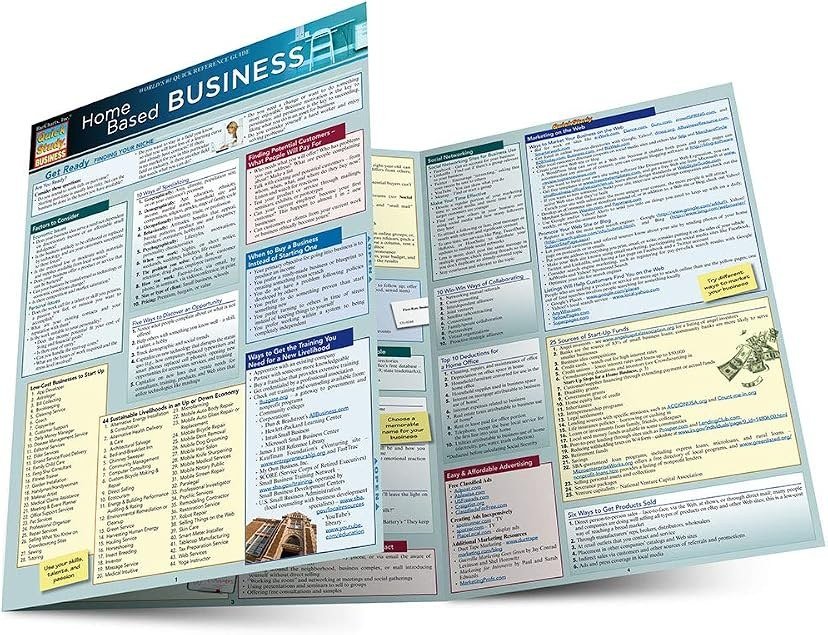
Working from home sounds like freedom until you’re answering emails at 10 p.m. in your pajamas, wondering where the workday ends and your life begins. The best home businesses are the ones that fit your life — your skills, your schedule, your space. Not someone else’s blueprint.
Here are the easiest businesses to start from home — ranked by how little friction stands between you and your first dollar.
What “Easiest” Actually Means
Easy = low startup cost + skills you already have (or can learn in weeks, not years) + demand you can reach from your couch + no special licensing. Every business below clears all four.
The Easiest Home Businesses to Start
1. Virtual Assistance ($25–$50/hour)
The lowest barrier in all of freelancing. If you’re organized, communicative, and decent with email/calendars/spreadsheets, you’re qualified. Businesses desperately need inbox management, scheduling, data entry, and customer service help. Start on Upwork or Belay; specialize (real estate VAs, podcast VAs) to raise rates fast. Startup cost: $0.
2. Freelance Writing ($0.10–$1+/word)
Every business needs content; most hate writing it. Blog posts, newsletters, product descriptions, website copy — if you can write clearly, there’s demand. Start with content mills or cold pitching; build to direct clients. Startup cost: $0 + writing samples (write 3 spec pieces in your chosen niche).
3. Bookkeeping ($40–$80/hour)
The “boring is profitable” champion. Small businesses need monthly bookkeeping; a QuickBooks certification takes weeks. Recurring revenue, low stress, high demand. Ten clients at $300/month = $3,000/month from your kitchen table. See our accounting software guide — you’ll live in these tools.
4. Social Media Management ($500–$2,000/month per client)
Small businesses know they need social media and don’t have time for it. If you understand one platform deeply, you can manage 5–10 clients’ accounts. Package it monthly (content + posting + engagement), not hourly. Startup: $0 + your own accounts as proof.
5. Tutoring / Online Teaching ($30–$80/hour)
Academic tutoring, test prep, music lessons, language instruction — all deliverable over Zoom. Parents pay premium rates; demand is evergreen. Market through local parent groups and Wyzant. Startup: $0 (or a decent webcam/mic if you want to look pro).
6. Pet Services ($30–$60/visit)
Pet sitting, dog walking, poop-scooping routes (yes, really — it’s a $15k/month business for some operators). Rover and Wag handle the marketplace side; private clients pay more. The work can’t be outsourced to AI, demand grows every year, and startup is leash-and-treats cheap.
7. Cleaning Services ($150–$300/job)
Residential cleaning is the classic home-base business: low startup ($200 in supplies), premium pricing, recurring clients, and you can hire cleaners and keep the margin as you grow. Market on Nextdoor and Google Business Profile. Unsexy, lucrative, always in demand.
8. Print-on-Demand / Digital Products ($500–$5,000/month)
Designs on shirts, mugs, and posters (Printful/Printify handle everything) or digital downloads (Etsy). Create once, sell repeatedly. The work is front-loaded in design and marketing; fulfillment is zero-touch. Best for creative types who hate client work.
9. Consulting in Your Former Field ($100–$300/hour)
The highest-rate easy start: sell the expertise you built as an employee. Former marketers consult on marketing; former ops managers consult on ops. Your network is your client list. One consulting client often equals ten freelance gigs in revenue.
10. Niche E-commerce From Home ($1,000–$10,000/month)
A focused online store run from a spare room — handmade, curated vintage, specialty foods (check cottage food laws). Start lean per our online store cost guide; the home keeps overhead near zero.
How to Choose (The 3-Question Filter)
- What am I already good at? Monetize existing skills first — the learning curve is the hidden cost of “easy” businesses outside your competence.
- Who will pay me this month? If you can’t name 5 potential customers today, the business isn’t easy — it’s theoretical. Our first-customers playbook helps you find them.
- Does it fit my life? Night owl? Don’t start a breakfast catering business. Kids at home? Client calls need scheduling around them. Be honest.
Set Up the Home Operation Right
- Dedicated workspace — even a corner. It matters for focus and for the home office tax deduction.
- Business hours — posted and enforced. Home businesses die from boundary collapse, not competition.
- Separate everything — bank account, phone number (Google Voice, free), email. Professional from day one.
- Register properly — LLC filing when revenue justifies it; sole proprietorship to start.
Our guide to starting a business under $1,000 covers the launch budget for any of these.
Frequently Asked Questions
Which home business is best for someone with no special skills?
Virtual assistance, cleaning services, pet services, and reselling — all learnable in weeks, all in steady demand. “No special skills” usually means “skills I don’t value”: if you’re organized, reliable, and communicative, you’re already qualified for VA work. If you’re thorough and don’t mind physical work, cleaning pays $150–$300 per job with $200 in startup supplies. The barrier isn’t skill; it’s starting.
How do I get customers without a marketing budget?
The same playbook as any new business: personal outreach to everyone you know, Nextdoor and local Facebook groups, a complete Google Business Profile, and showing up where customers gather (markets, community boards, local events). Home businesses have a secret weapon: low overhead means you can afford to start with lower prices while building reviews, then raise them. Our first-customers playbook is the full manual.
Do I need a separate phone number for my home business?
Yes — Google Voice gives you a free second number that rings your existing phone, with separate voicemail and business hours. It costs nothing and solves real problems: work-life boundaries, professional voicemail greetings, and not giving your personal number to every customer. When the business grows, port it to a proper business line. Day one, Google Voice is enough.
What are the zoning issues with home businesses?
Check before you invest: many residential zones restrict customer traffic, signage, employees on-site, and certain business types. HOAs add another layer — some prohibit home businesses entirely. The common safe zone: quiet, digital, no-customer-visit businesses (freelancing, VA work, online selling) rarely trigger issues. Customer-facing businesses (salons, daycares, workshops) need explicit clearance. A quick call to your city’s zoning office prevents expensive surprises.
The Bottom Line
The easiest home business is the one closest to skills you already have: virtual assistance, writing, bookkeeping, tutoring, or consulting in your old field. Start with one, get 3 paying customers before optimizing anything, and set boundaries like your sanity depends on it — because it does. Easy to start doesn’t mean effortless to grow; but starting is the part most people never do.