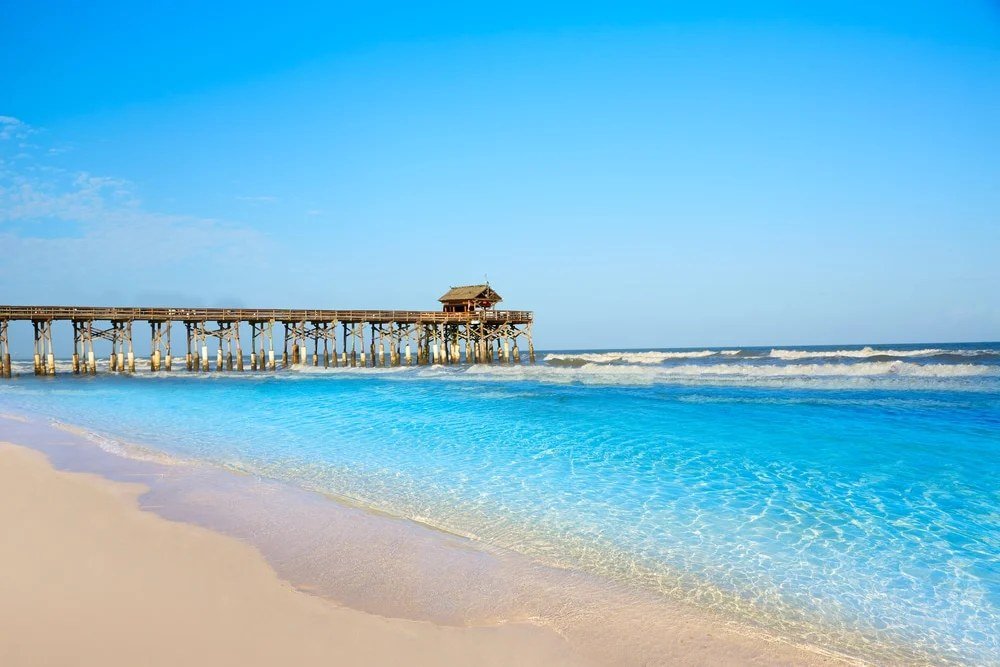
East Coast beaches have a superpower West Coast beaches don’t: warm water. The Gulf Stream keeps Atlantic beaches swimmable from spring through fall, and the variety is staggering — from Maine’s rocky coves to Florida’s powder sand. But not every beautiful beach is a family beach. The best beaches on the East Coast for families share specific traits: gentle surf, lifeguards, clean facilities, shallow entry, and enough to do when kids inevitably tire of sand. Here are the standouts, north to south.
New England: Classic and Charming
Old Orchard Beach, Maine
Seven miles of wide, flat sand with gentle surf — ideal for young kids. The pier adds old-school amusement charm (rides, fried dough, arcades), and the town is unpretentiously family-focused. Water’s brisk even in August (it’s Maine), but kids don’t seem to mind. Affordable lodging and a nostalgic vibe make it the Northeast’s best-value family beach.
Hammonasset Beach State Park, Connecticut
Connecticut’s largest shoreline park: two miles of beach, calm Long Island Sound water (warmer and gentler than ocean-facing beaches), nature center, and camping. It’s the easy day-trip beach for the NYC metro area — arrive early on summer weekends, as the lots fill. The shallow, calm water is perfect for toddlers.
Second Beach (Sachuest), Rhode Island
Middletown’s family favorite: gentler surf than nearby First Beach, lifeguards, facilities, and the stunning Sachuest Point wildlife refuge next door for exploring. Newport’s mansions are 10 minutes away for the adults’ cultural fix. A great two-for-one family day.
Mid-Atlantic: Easy Access, Big Sand
Assateague Island, Maryland/Virginia
Wild horses on the beach. Let that sink in — your kids will see actual wild horses while building sandcastles. The beach itself is gorgeous and uncrowded (it’s a national seashore, not a resort strip), with calm sections for swimming. It’s rustic — bring everything you need — but the experience is unforgettable. The NPS site has camping and access details.
Outer Banks, North Carolina
The East Coast’s great family beach destination: 100+ miles of wide beaches, the Wright Brothers monument, wild horses in Corolla, Jockey’s Ridge dunes (hang gliding lessons for teens, sand-sledding for kids), and vacation rentals that make week-long stays affordable. The water is warm, the waves are manageable, and the whole area is built for families without feeling commercial. Consistently rated among America’s best family beach trips.
Hilton Head Island, South Carolina
Twelve miles of wide, hard-packed sand (bikeable at low tide — rent bikes, it’s the island’s best activity), calm water, no high-rises on the beach (strict building codes preserve the natural feel), and excellent family infrastructure. It’s pricier than the Outer Banks but delivers a polished, easy family beach week. Coligny Beach Park has the best facilities.
What Are the Best Beaches on the East Coast for Families in the South?
Siesta Key, Florida
The sand is 99% pure quartz — cool underfoot even in summer, powdery white, otherworldly. The water is calm, shallow far out, and bathtub-warm. Siesta Key consistently tops “best beach in America” lists, and it’s genuinely family-perfect: lifeguards, facilities, a village with ice cream shops steps away. See our Florida trip cost guide for planning.
St. Augustine Beach, Florida
Wide, uncrowded, drivable sand (yes, you can drive on parts — kids love it), plus the oldest city in America 10 minutes away for history breaks. It’s the thinking family’s Florida beach: mornings in the surf, afternoons in the 450-year-old fort. Affordable and unpretentious.
Sanibel Island, Florida
The shelling capital of America — the island’s orientation catches shells by the bucketful, and kids become obsessed within minutes. Calm Gulf water, wildlife refuge with easy trails, no high-rises, no crowds. It’s quieter than other Florida beaches, which is exactly the point for families wanting calm over commotion.
Family Beach Day Essentials
- Timing: Arrive before 10 a.m. for parking, shade, and the calmest water. Leave (or break) during peak 12-3 p.m. sun — the midday break prevents burns and meltdowns.
- Shade: Umbrella or pop-up tent, always. Kids need sun breaks, and so do you.
- Pack smart: See our beach vacation packing guide — rash guards, reef-safe sunscreen, sand toys, snacks, and the baby-powder sand trick.
- Water safety: Swim near lifeguards, respect flags and warnings, and know that calm-looking water can hide rip currents — teach older kids to swim parallel to shore if caught.
- Leave no trace: Fill holes, take trash, respect dunes and wildlife. The beach hosts you; return the favor.
From Maine’s brisk charm to Florida’s warm shallows, the East Coast offers a family beach for every style — the adventure of Assateague’s wild horses, the ease of Hilton Head, the perfection of Siesta Key’s sand. Pick your latitude, pack the rash guards, and go make the memories that smell like sunscreen.
Beach Safety for Families: The Non-Negotiables
Beautiful beaches demand respect — the ocean is wonderful and indifferent. Rip currents: the number one beach danger. Teach everyone (even young kids, simply): if caught, don’t fight — swim parallel to shore until free, then in. Identify rips before swimming (discolored water, gaps in wave patterns, debris moving seaward). When in doubt, ask the lifeguard where it’s safe — that’s literally their job.
Sun protocol: SPF 50 reef-safe sunscreen, applied 15 minutes before exposure, reapplied every 2 hours and after swimming — no exceptions, no “we’ll be fine.” Rash guards for kids (less sunscreen to maintain, better protection). Midday shade breaks 11 a.m.-3 p.m. Sunburn ruins trips; prevention is trivial. Water rules: swim near lifeguards always, never swim alone, young children within arm’s reach in water (not “watching from the towel” — in reach), and respect flags: red means stay out, no debate.
Wildlife and environment: shuffle feet in stingray territory (the “stingray shuffle”), don’t touch jellyfish (even dead ones sting), watch for posted warnings about bacteria or red tide. Leave no trace: fill holes (they trap turtles and injure walkers at night), pack out everything, respect dunes and nesting areas. Safe beaches are happy beaches — these habits take minutes and protect the whole family all week.