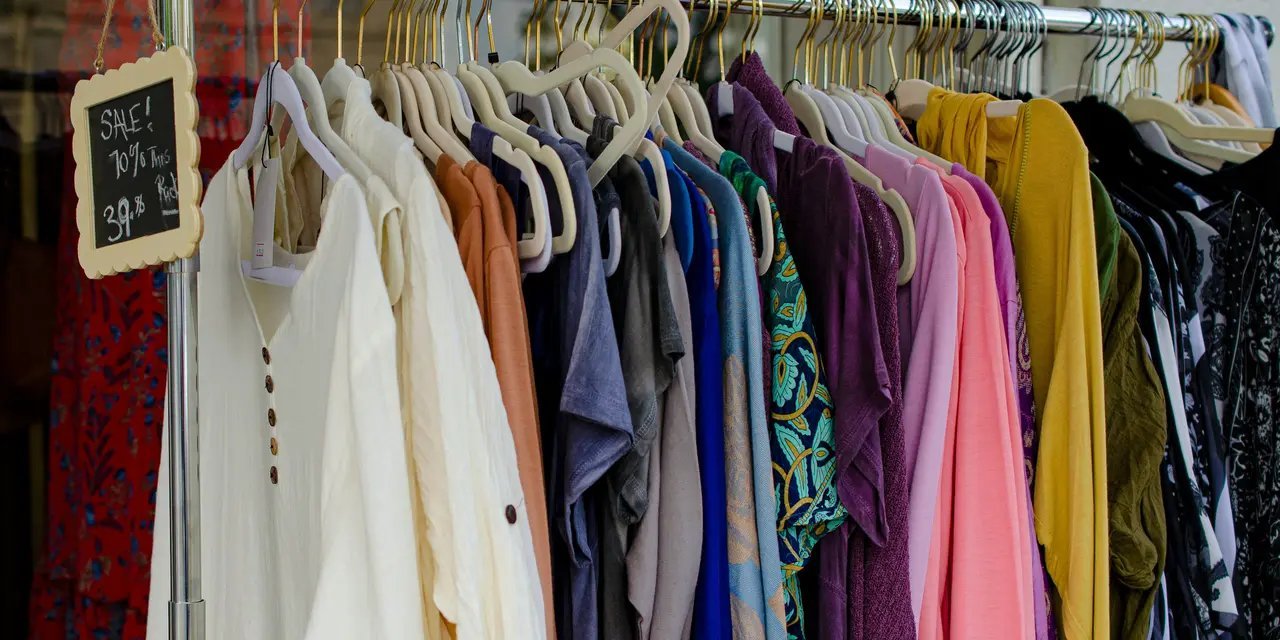
End-of-season sales are where smart shoppers separate from the pack — 50–80% off quality pieces, the same items that were full price weeks earlier. But they’re also where impulse buyers accumulate closets of “bargains” they never wear. I’ve done both. The difference isn’t luck; it’s strategy. Here’s how to shop end-of-season sales like someone who’ll actually wear what they buy.
So what is the smartest way to shop end-of-season sales? Shop with a list, buy timeless over trendy, know the sale calendar, and apply the “would I buy it full price?” test. Here’s the full playbook.
Know the sale calendar (timing is everything)
- Winter clearance: late January–February. Coats, boots, sweaters at 60–80% off. The single best sale season for investment pieces.
- Summer clearance: late July–August. Swim, sandals, linen at deep discounts.
- Black Friday/Cyber Monday: late November — good for electronics and some fashion, but often inflated “deals” on made-for-sale items. Verify against price history.
- After-Christmas: December 26–January — excellent for winter clothing, gift sets, and holiday-adjacent items.
- End of fiscal quarters: some retailers clear inventory in March and September — less predictable, worth watching.
The pattern: shop the season ahead. Buy winter coats in February, swimsuits in August. It requires planning (and storage), but the discounts are deepest when demand is lowest. The winter coat you buy in February is the same coat that was $400 in October.
How to shop the sale (the strategy)
Make the list BEFORE the sale
Weeks before sale season, list what you actually need: the winter coat, the black boots, the blazer. When the sale hits, you hunt the list — not the racks. List-shopping prevents the number one sale trap: buying things because they’re cheap rather than because you need them.
The “full-price test”
For every item, ask: “Would I buy this at full price?” If yes, the sale price is a genuine win. If no — if you’re only interested because of the discount — put it back. A $30 “bargain” you never wear is infinitely more expensive than the $150 item on your list. This one question eliminates 80% of bad sale purchases.
Buy timeless, not trendy (mostly)
End-of-season sales are for investment pieces: wool coats, leather boots, quality blazers, classic bags — items that’ll be stylish next year and the year after. Trendy sale items are cheap for a reason: the trend is dying. The exception: if you genuinely love a trend and the price is trivial, enjoy it — just don’t confuse it with an investment.
Check the fundamentals
Sale items are final-sale more often — so quality and fit-check rigorously. Try everything on (sizes get picked over — the remaining stock skews to extreme sizes). Check for damage (sale racks get handled roughly). And verify the return policy before buying — “final sale” on a bad fit is money burned.
Stack the savings
Sale price + coupon codes + cashback (Rakuten, etc.) + credit card rewards = the true bottom price. Sign up for retailer newsletters before sale season (unsubscribe after). Price-adjustment policies: some stores refund the difference if an item drops further within 14 days — ask.
What to buy at end-of-season sales (the hit list)
- Winter sale: wool coats, down jackets, boots, cashmere sweaters, blazers — the expensive foundations at 60–80% off.
- Summer sale: quality sandals, linen pieces, swimwear (for next year), sunglasses.
- Any sale: basics in your palette (tees, underwear, socks — the unglamorous restocks), Secondhand shopping alternatives when sale prices still feel high.
The traps to avoid
The “such a good deal” trap: a deal on something you don’t need isn’t a deal. Size-compromise buying: “it’s the last one and it’s almost my size” — almost isn’t. Sale goggles: the excitement of discounts impairs judgment — implement the 24-hour rule for anything not on your list. Made-for-outlet items: some “sale” items were manufactured for outlets with lower quality — check labels and construction, not just the discount percentage. Ignoring cost-per-wear: a $200 coat at 70% off ($60) worn 100 times beats five $12 trendy tops worn twice. The math always wins.
Sale psychology
Retail discounts follow predictable patterns — which is exactly what makes the sale calendar in this article work. Understanding how and why retailers mark down (inventory cycles, fiscal quarters, seasonal demand) turns you from a sale victim into a sale strategist.
The takeaway
The smartest way to shop end-of-season sales: know the calendar (buy winter in February, summer in August), make your list before the sale starts, apply the full-price test to everything, buy timeless investment pieces over dying trends, check quality and fit ruthlessly (especially on final sale), stack coupons and cashback, and dodge the psychological traps. Sale season isn’t about buying more — it’s about buying better for less. The list is your shield; the calendar is your sword.
The price-tracking toolkit: apps and alerts that do the work
Smart sale shopping isn’t about luck — it’s about information. These tools track prices so you buy at the true bottom: Price history: CamelCamelCamel (Amazon price history — see if the “sale” is real or inflated), Keepa (browser extension with price charts), and Google Shopping price tracking. Sale alerts: set alerts for specific items (many retailers offer “notify me when on sale”), follow brands’ sale calendars (most run predictable cycles), and use apps like ShopStyle or Karma that track wishlist items across retailers and ping you on price drops.
Cashback stacking: Rakuten, TopCashback, and credit-card portals add 2–15% back on top of sale prices — free money for clicking through their link first. Coupon aggregation: Honey or Capital One Shopping auto-apply coupon codes at checkout — they find codes you’d never know existed. The strategy: wishlist the items on your sale-season list now, set price alerts, and buy when the alert fires — not when the marketing email arrives. The email wants you to buy at 30% off; the alert tells you when it hits 60%. The discipline: tools serve the list, not the other way around — price alerts on listed items only. An alert for something you don’t need is just a more sophisticated impulse trigger. Track prices on what you planned to buy, stack every discount available, and let the data — not the red “SALE” banner — decide when to click buy.